





What's Happening?
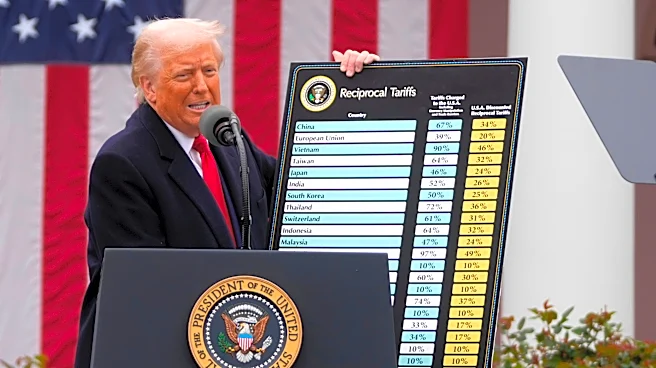
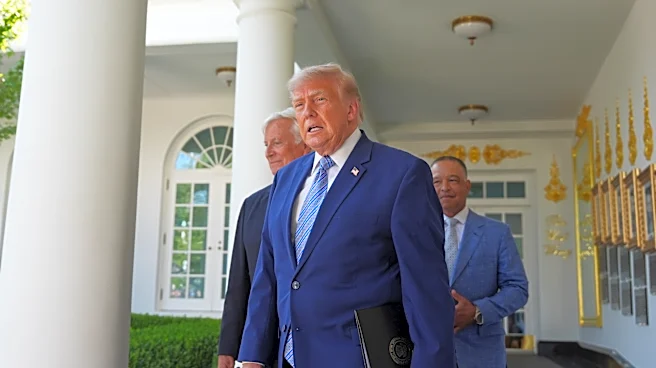
The U.S. government has implemented new tariffs ranging from 10% to 12.5% on imports from 60 countries, citing inadequate enforcement of bans on goods produced with forced labor. This move has drawn immediate criticism from several trading partners, including
Australia, China, and Japan. Australian Trade Minister Don Farrell labeled the tariffs as 'completely unjustified,' emphasizing Australia's commitment to combating modern slavery. The tariffs, which took effect as previous temporary levies expired, have been imposed under Section 301 of the Trade Act of 1974. This decision has led to a significant shift in trade dynamics, with some companies, like Golden Arts Gifts & Decor in China, redirecting their focus to European markets due to the increased uncertainty in U.S. trade policies.
Why It's Important?
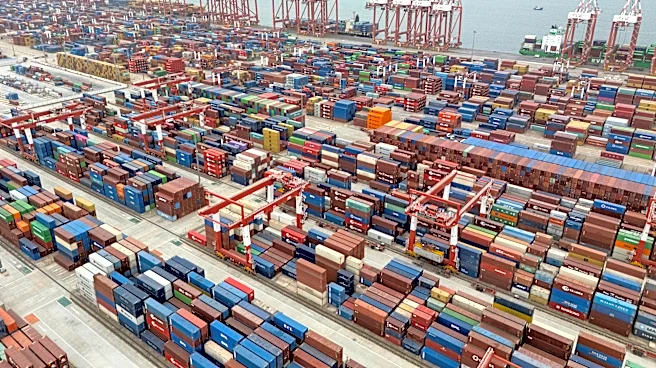
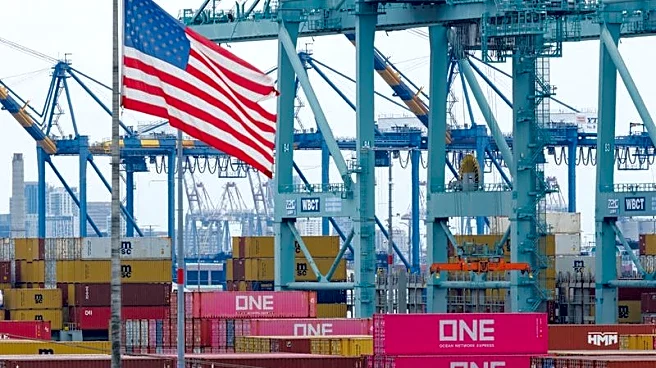
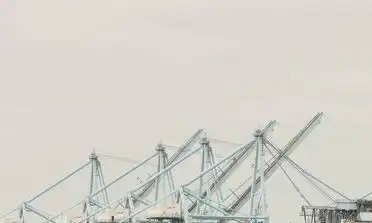
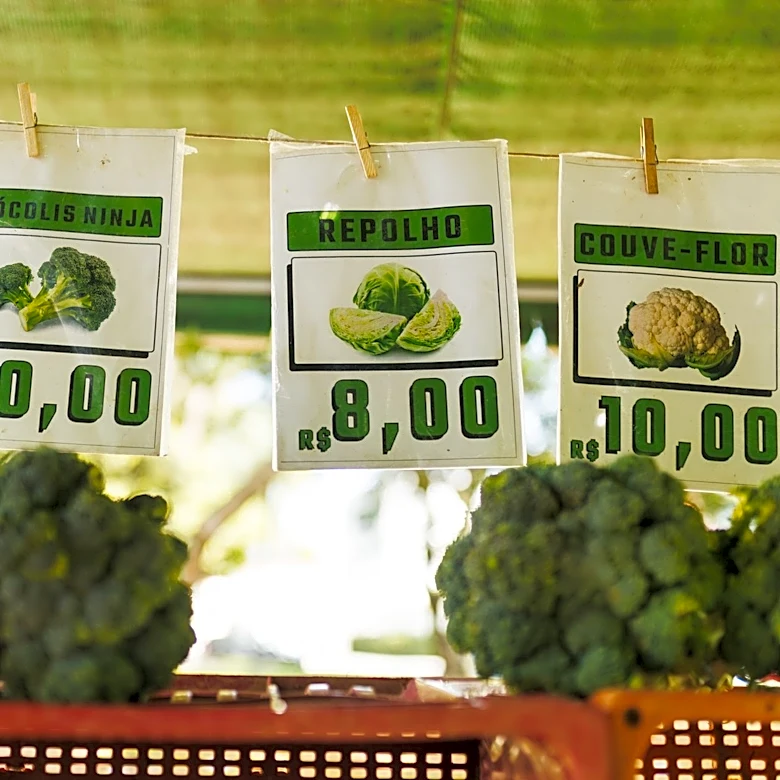
The imposition of these tariffs is significant as it affects a vast array of goods, covering 99.4% of U.S. imports, excluding certain essential items like oil, gas, and food. The tariffs are likely to increase costs for U.S. businesses and consumers, potentially leading to higher prices for imported goods. This move could strain diplomatic relations with key trading partners and may lead to retaliatory measures, further complicating international trade relations. The tariffs also highlight ongoing tensions between the U.S. and its trading partners over labor practices and trade policies, potentially impacting global supply chains and economic stability.
What's Next?
Countries affected by the tariffs are expected to engage in diplomatic efforts to negotiate exemptions or reductions. Australia has already announced plans to lobby the U.S. Trade Representative. Legal challenges may also arise, as seen with the Liberty Justice Center's lawsuit against the tariffs. The U.S. administration may face pressure from domestic industries and political figures to reconsider or adjust the tariffs, especially if they lead to significant economic disruptions. The situation remains fluid, with potential for further developments as international negotiations and legal proceedings unfold.