






What's Happening?
Astronomers have discovered a potentially habitable exoplanet, designated GJ 3378b, located just 25 light-years away from Earth. This rocky world orbits a red dwarf star in the constellation of Camelopardalis. Initially discovered in 2024 by French astronomers,
recent observations by American scientists have revised its characteristics, suggesting it is more Earth-like than previously thought. GJ 3378b has a mass 2.3 times that of Earth and completes an orbit every 21 days, placing it within the habitable zone where conditions might support liquid water. However, the planet faces a hostile environment due to radiation from its host star, raising questions about its ability to sustain an atmosphere or life.
Why It's Important?
The discovery of GJ 3378b is significant as it adds to the growing list of potentially habitable exoplanets within our cosmic neighborhood. Its proximity to Earth makes it a prime candidate for future studies aimed at detecting biosignatures, which could provide evidence of life beyond our planet. The planet's location in the habitable zone and its Earth-like mass increase the likelihood of it having conditions suitable for life. However, the intense radiation from its host star poses a challenge, as it could strip away any atmosphere, making it inhospitable. This discovery underscores the importance of continued exploration and observation to understand the potential for life elsewhere in the universe.
What's Next?
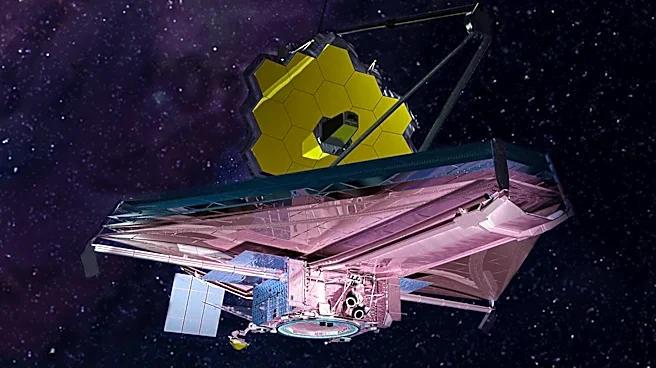
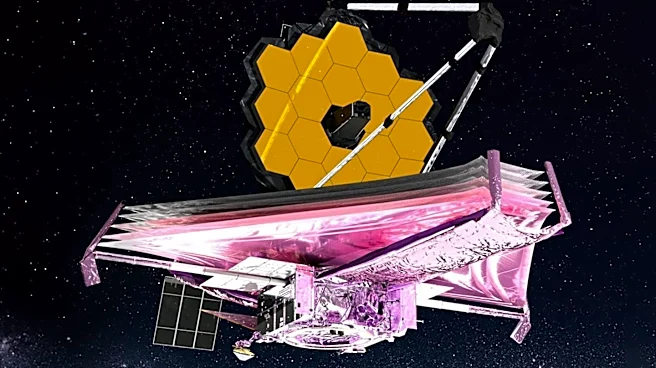
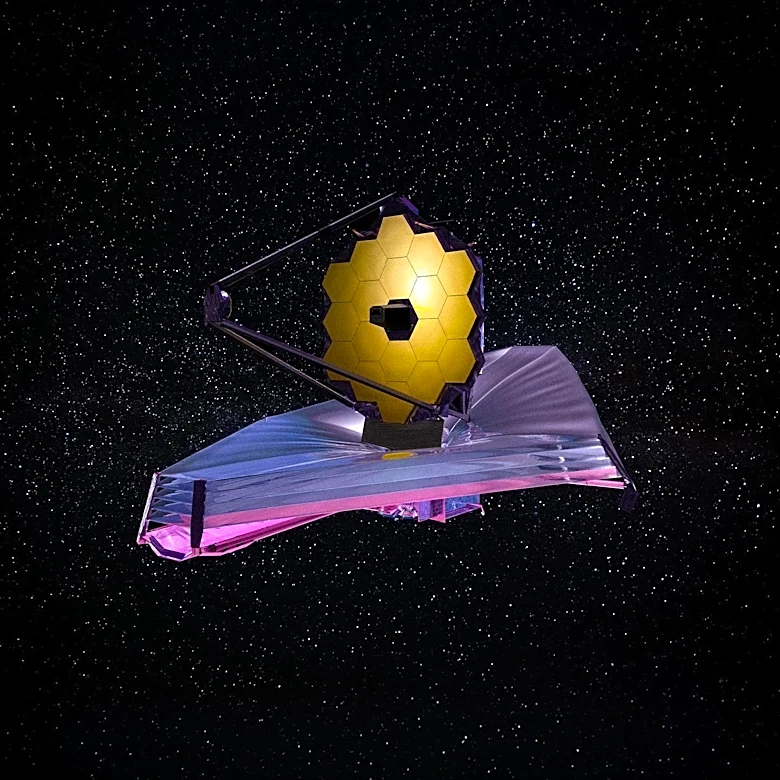
Future observations, particularly with advanced telescopes like NASA's planned Habitable Worlds Observatory, will be crucial in determining whether GJ 3378b has an atmosphere. The James Webb Space Telescope is currently unable to provide this information due to the planet not transiting its star. The upcoming observatory, expected to launch in the 2040s, may offer the tools needed to detect atmospheric conditions and potential biosignatures. Meanwhile, astronomers remain hopeful that GJ 3378b's position on the edge of the radiation zone might mean it has retained an atmosphere, making it a key target for future exploration.
Beyond the Headlines
The discovery of GJ 3378b highlights the challenges and opportunities in the search for extraterrestrial life. The planet's proximity to Earth makes it an ideal candidate for detailed study, but the limitations of current technology mean that definitive answers about its habitability may be decades away. This situation illustrates the broader scientific quest to understand our place in the universe and the potential for life beyond Earth. The ongoing search for biosignatures on nearby exoplanets is a critical step in this journey, with each discovery bringing us closer to answering the age-old question of whether we are alone in the cosmos.