





What's Happening?
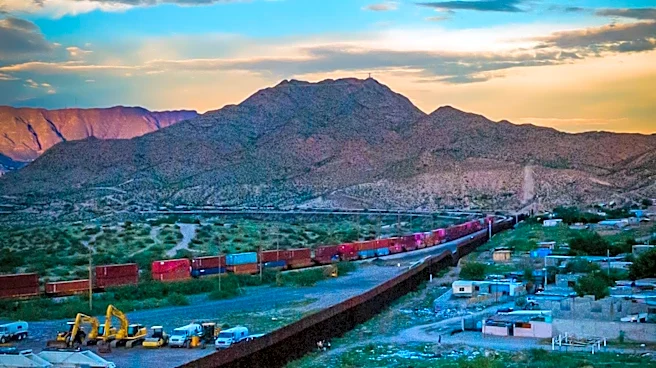
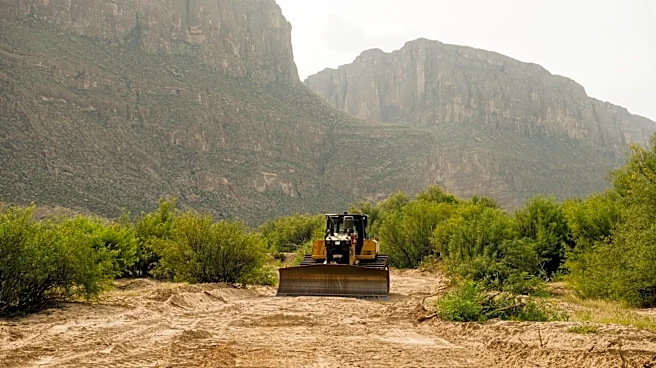
Landowners, ranchers, business owners, and the nonprofit organization Conserve Big Bend have filed a lawsuit to halt the Trump administration's plans for a border wall and other infrastructure in the Big Bend region of Texas. The lawsuit challenges the administration's $46
billion initiative to construct approximately 2,000 miles of 30-foot steel bollard walls, vehicle barriers, and surveillance technology along the southern border. Plaintiffs argue that the Department of Homeland Security is misusing congressional powers that allow the secretary to waive regulations for border wall construction in areas with high illegal crossings. They contend that this determination is legally and factually unsound for the Big Bend region, citing historical Customs and Border Protection statistics that show the area accounts for only about 1% of arrests despite comprising roughly a quarter of the total U.S.-Mexico border length. The lawsuit is part of broader opposition in Texas, which includes bipartisan resistance from sheriffs, elected officials, tour guides, and environmental groups.
Why It's Important?
This lawsuit highlights a significant conflict between federal border security initiatives and local community interests, property rights, and environmental concerns in the U.S. The legal challenge questions the basis for waiving environmental and archaeological regulations in a region that plaintiffs argue does not meet the criteria for 'high illegal entry.' The outcome could set a precedent for how federal agencies exercise broad waiver authorities for infrastructure projects, particularly in areas with unique ecological and cultural significance. For landowners, the wall represents a direct threat to their property, livelihoods, and access to resources like the Rio Grande. For environmentalists and Native American groups, the construction poses risks to wildlife migration, natural landscapes, and sacred sites. The case underscores the complex interplay of national security, local governance, and individual rights in border regions, potentially influencing future infrastructure development and land use policies across the U.S.-Mexico border.
What's Next?
The lawsuit will proceed through the courts, with plaintiffs seeking to legally challenge the Department of Homeland Security's justification for waiving regulations in the Big Bend region. The administration will likely defend its actions, asserting the necessity of the border infrastructure for national security. The legal process could involve extensive discovery, hearings, and potentially appeals, prolonging the dispute over the border wall's construction in this area. Public and political reactions from various stakeholders, including local residents, environmental advocates, and elected officials, are expected to continue. The temporary pause in construction-related activity in Big Bend National Park, initiated by CBP Commissioner Rodney Scott, indicates a potential for administrative adjustments, but the broader plans for the region remain contested. The resolution of this lawsuit could influence the pace and scope of future border wall projects and potentially lead to re-evaluations of the criteria used to designate areas for expedited construction.
Beyond the Headlines
Beyond the immediate legal battle, this case touches upon deeper ethical and cultural dimensions concerning the definition of 'border security' and its impact on local communities and the environment. The argument that Big Bend is 'not an empty place on the map' but 'home' reflects a fundamental clash between federal policy driven by national security narratives and the lived experiences and attachments of residents. The lawsuit also brings to light the broader implications of waiving environmental and archaeological protections, raising questions about the long-term ecological damage and the loss of cultural heritage. The bipartisan opposition from within Texas suggests a growing sentiment that federal actions, even those framed as national security imperatives, must be balanced with local concerns and a more nuanced understanding of specific border regions. This case could contribute to a national dialogue about the appropriate balance between border enforcement, environmental stewardship, and respect for private property and indigenous rights.