






What's Happening?
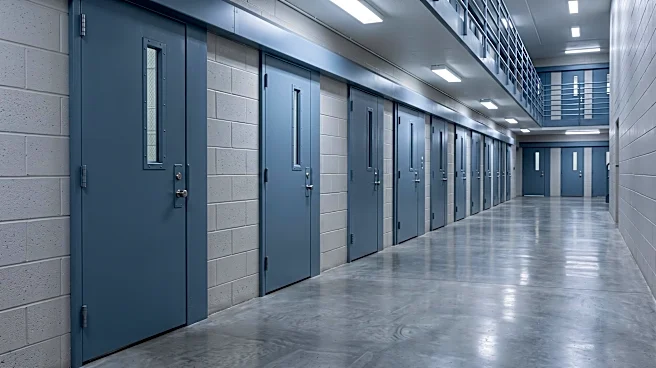
Ascension Parish Prison in Louisiana is under increased scrutiny due to reports of overcrowding, inadequate medical care, and incidents of misconduct. The facility, located in Donaldsonville, primarily houses pretrial detainees who have not been convicted
but cannot afford bail or are awaiting court dates. A significant portion of the inmate population consists of nonviolent offenders, many struggling with debt, addiction, or mental health crises. While basic mental health screening is provided upon intake, consistent treatment remains limited, with some inmates experiencing long waits for counseling or psychiatric evaluations. Advocacy groups are pushing for expanded services, including diversion programs, and greater transparency and independent oversight for the jail.
Why It's Important?
The issues at Ascension Parish Prison highlight critical systemic problems within the U.S. justice system, particularly concerning pretrial detention and the treatment of incarcerated individuals. The disproportionate incarceration of low-income defendants who cannot afford bail raises serious equity concerns, as even short stays can lead to job loss, housing instability, and fractured family relationships. The prevalence of mental health and substance use issues among inmates, coupled with limited access to consistent treatment, underscores a broader public health crisis that jails are ill-equipped to handle. This situation impacts not only the inmates but also their families and communities, perpetuating cycles of disadvantage and making successful reentry into society more challenging. The scrutiny on Ascension Parish reflects a national conversation about justice reform and the need for alternatives to incarceration.
What's Next?
Advocacy groups are expected to continue their calls for reforms, including expanded mental health and addiction treatment services, and the implementation of diversion programs to channel individuals into treatment rather than detention. Debates over bail reform, policing, and mental health funding will likely persist, influencing potential policy changes at both local and state levels. Increased transparency and independent oversight for the jail are also key demands, which could lead to more rigorous monitoring of conditions and practices. The progress of these reforms in Ascension Parish will depend on funding availability and political will, as local law enforcement emphasizes public safety while reform advocates push for addressing root causes of crime.
Beyond the Headlines
The situation at Ascension Parish Prison reveals deeper societal implications beyond the immediate concerns of overcrowding and care. It exposes the intersection of poverty, mental health, and the justice system, where incarceration often exacerbates existing vulnerabilities rather than resolving them. The limited educational and vocational programming within the jail means that upon release, former inmates face significant barriers to stable employment, contributing to high recidivism rates. The emotional and financial toll on families, particularly children of incarcerated parents, represents a hidden cost of the current system. This ongoing struggle between punishment and rehabilitation, public safety and individual rights, reflects fundamental tensions in American society and calls for a reevaluation of how communities address crime and support their most vulnerable members.