








What's Happening?
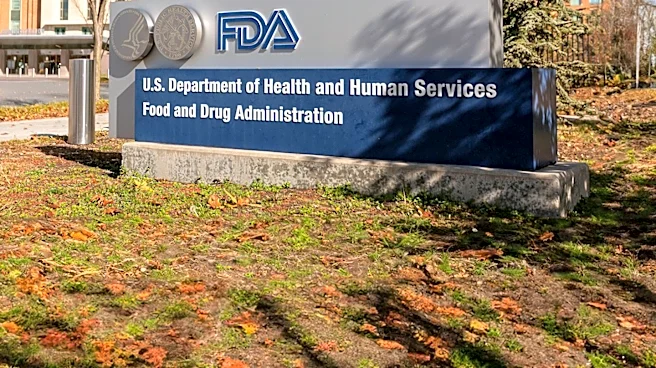
Shenzhen Ninenovo Technology Limited, the parent company of RingConn, has announced that its Smart Ring has secured 510(k) clearance from the U.S. Food and Drug Administration (FDA). This clearance specifically pertains to the non-invasive measurement
of blood oxygen (SpO2) using the device. The FDA's determination signifies that the RingConn Smart Ring is substantially equivalent to legally marketed predicate devices for this function. This regulatory approval is a significant step for RingConn, enabling its expansion into the U.S. healthcare and wellness market. The device utilizes PPG sensor technology to integrate professional-grade blood oxygen monitoring capabilities into a wearable form factor. RingConn is also actively engaged in ongoing clinical research to further validate its blood oxygen monitoring data. The company has previously obtained various international certifications, including EU CE, U.S. FCC, Japan MIC, UK UKCA, and Australia RCM, and its product is available in over 190 countries and regions globally.
Why It's Important?
This FDA clearance is crucial for RingConn as it provides compliance assurance, allowing the company to officially enter and compete within the regulated U.S. healthcare and wellness market. The ability to offer FDA-cleared non-invasive SpO2 monitoring positions the RingConn Smart Ring as a more credible and reliable option for consumers and potentially healthcare providers. This development could accelerate the adoption of smart rings for health monitoring, particularly for individuals seeking continuous tracking of vital physiological indicators like blood oxygen. For the U.S. market, it introduces another FDA-approved device in the rapidly growing wearable health technology sector, potentially increasing competition and driving further innovation in non-invasive health monitoring solutions. This also highlights the increasing trend of integrating medical-grade monitoring into everyday wearable devices, blurring the lines between consumer electronics and medical devices.
What's Next?
Following this FDA clearance, RingConn is expected to intensify its efforts to penetrate the U.S. healthcare and wellness market. This may involve increased marketing and distribution strategies targeting U.S. consumers and potentially partnerships with healthcare providers or wellness programs. The company's ongoing clinical research related to blood oxygen monitoring suggests a continued commitment to scientific validation, which could lead to further enhancements or expanded claims for the device. The clearance also sets a precedent for other wearable technology companies looking to offer similar medical-grade monitoring features in the U.S., potentially streamlining their own regulatory pathways. Consumers in the U.S. can anticipate more widespread availability and promotion of the RingConn Smart Ring as a reliable tool for personal health management, particularly for SpO2 tracking.
Beyond the Headlines
The FDA's clearance of the RingConn Smart Ring for SpO2 monitoring underscores a broader shift towards the integration of medical-grade functionalities into consumer wearable technology. This trend raises important questions about data privacy, the accuracy of self-monitored health data, and the potential for these devices to influence healthcare decisions. As more wearables gain FDA approval, there will be an increased need for clear guidelines on how this data should be interpreted and used by both individuals and medical professionals. The ethical implications of continuous health monitoring, including potential anxieties caused by constant data streams or misinterpretations of results, will also become more prominent. Furthermore, the expansion of such devices could lead to a more proactive approach to health management, but also places a greater responsibility on users to understand the limitations and proper use of these technologies.