








What's Happening?
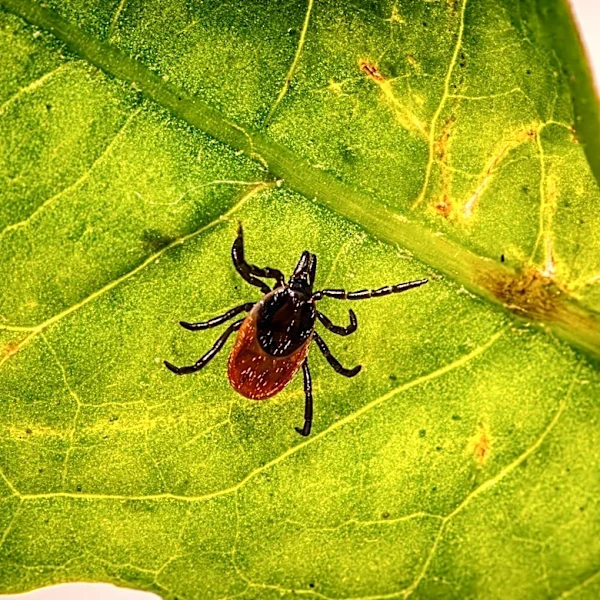
Cyclospora infections are being reported across the United States, leading to questions about the parasite's origin and how it spreads through the food supply. The outbreak has sickened thousands, with investigations by the CDC and FDA underway. Cyclospora is
typically linked to contaminated fresh produce and water, and the parasite's life cycle makes it challenging to detect and control. The CDC has reported over 1,600 confirmed cases, with more under investigation, highlighting the need for improved food safety measures.
Why It's Important?
The Cyclospora outbreak highlights vulnerabilities in the U.S. food safety system, particularly concerning fresh produce. The parasite's ability to persist in the environment before becoming infectious complicates efforts to trace and prevent contamination. This situation underscores the importance of robust agricultural practices, clean water supplies, and effective food inspection systems to protect public health. The outbreak also raises awareness about the need for consumers to practice good hygiene and food handling to reduce infection risks.
What's Next?
Federal and state health officials will continue to investigate the outbreak to identify common food sources and implement measures to prevent further cases. Public health campaigns may focus on educating consumers about safe food handling practices. The outbreak could lead to policy discussions on enhancing food safety regulations and funding for inspection and traceback systems to prevent future incidents.