







What's Happening?
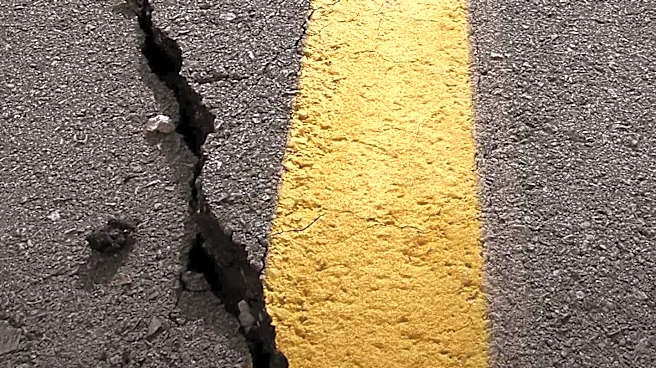
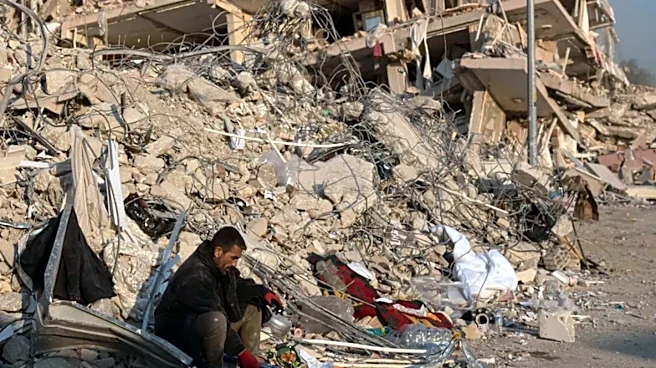
In the aftermath of devastating twin earthquakes in Venezuela, international rescue teams, including those from the United States, have been actively involved in search and recovery operations in the coastal city of La Guaira. The earthquakes, which struck
late last month, have resulted in catastrophic destruction, with nearly 4,000 confirmed deaths and tens of thousands of people reported missing. The U.S. team, part of Virginia Task Force One, included highly trained canines like Zilla, who have been instrumental in locating survivors amidst the rubble. Rescue efforts have been a collaborative international endeavor, with teams from countries such as Chile, Costa Rica, El Salvador, France, Mexico, Portugal, and Vietnam working alongside local residents to search for trapped individuals. Despite the Venezuelan government's historical tensions with the U.S., American assistance has been welcomed by many Venezuelans affected by the disaster.
Why It's Important?
The international response to the Venezuelan earthquakes underscores the critical role of global cooperation in disaster relief efforts. The involvement of U.S. rescue teams highlights the humanitarian aspect of international relations, even in politically tense environments. This collaboration not only aids in immediate rescue and recovery but also fosters goodwill and potential diplomatic bridges between nations. The disaster has also brought attention to the vulnerabilities of infrastructure in earthquake-prone regions, emphasizing the need for improved building standards and emergency preparedness. The ongoing recovery efforts are crucial for the thousands of displaced individuals and the broader Venezuelan community, which faces significant challenges in rebuilding and healing from the tragedy.
What's Next?
As the immediate search and rescue operations transition to recovery and rebuilding, international aid and support will continue to be vital for Venezuela. The focus will likely shift towards providing long-term assistance, including rebuilding infrastructure, offering medical and psychological support to survivors, and addressing the needs of displaced populations. The Venezuelan government, along with international partners, will need to strategize on sustainable recovery plans and disaster preparedness to mitigate future risks. The global community's response to this disaster may also influence future international cooperation in humanitarian crises, setting precedents for collaborative efforts in politically complex regions.
Beyond the Headlines
The earthquakes in Venezuela have highlighted the intersection of natural disasters and political dynamics. The willingness of the Venezuelan government to accept international aid, including from the U.S., may signal a shift in diplomatic relations or at least a temporary easing of tensions in the face of humanitarian needs. Additionally, the disaster has brought to light the resilience and solidarity of local communities, as residents have actively participated in rescue efforts despite limited resources. This event may also prompt discussions on the ethical responsibilities of nations to provide aid irrespective of political differences, reinforcing the importance of humanitarian principles in global politics.