



What's Happening?
A significant weather pattern is affecting the United States, with a heat dome causing extreme temperatures in the central and eastern states, while winter weather warnings have been issued in parts of the western U.S. The National Weather Service (NWS)
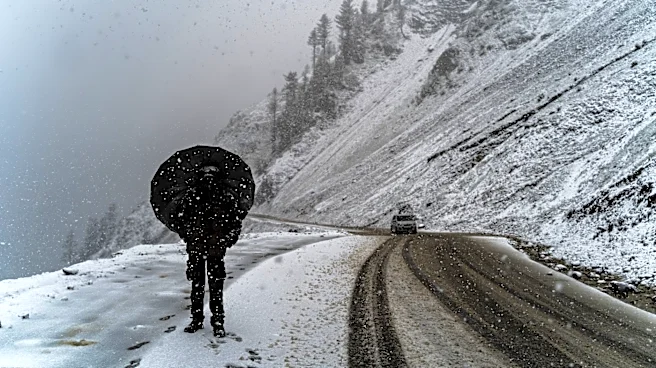
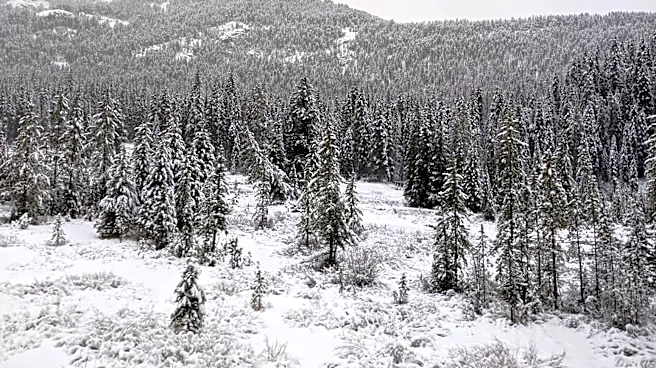
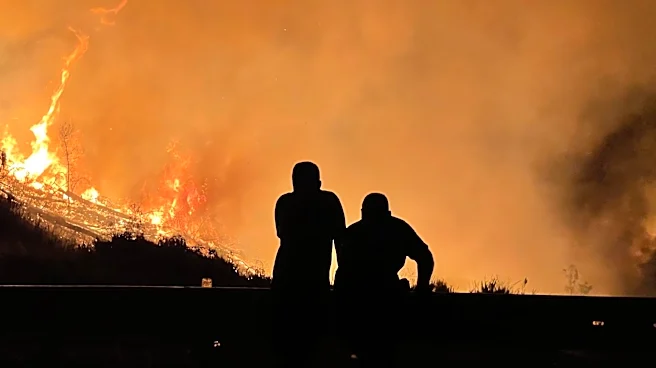
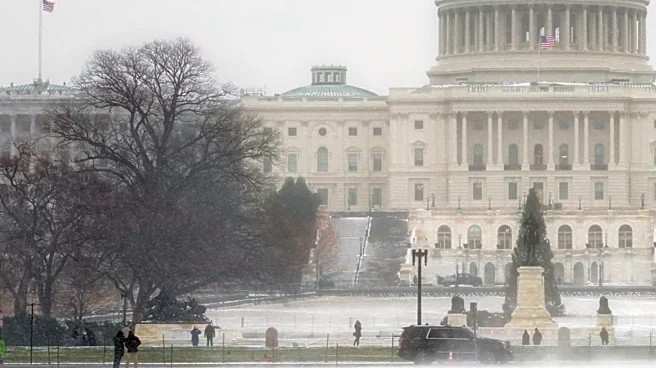
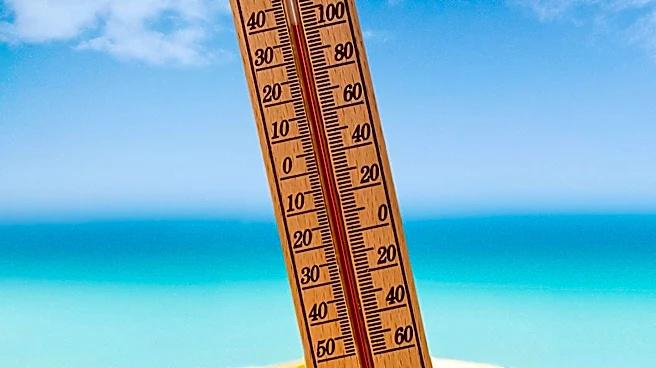
has reported that a heat dome, characterized by high pressure trapping hot air, is expected to raise temperatures into the 90s and low 100s across 30 states, particularly impacting Ohio, North Carolina, and Washington, D.C. This heatwave is expected to persist through the July 4 weekend, posing health risks such as heat exhaustion and dehydration. Concurrently, winter storm warnings are in effect for southwest Montana and central Idaho, where heavy snow is anticipated, especially in high-elevation areas. This unusual weather pattern is attributed to a large-scale atmospheric system influenced by the jet stream, which is causing both heat and cold extremes simultaneously.
Why It's Important?
The simultaneous occurrence of extreme heat and winter weather highlights the complexity and unpredictability of current weather patterns, which can have significant impacts on public health, infrastructure, and safety. The heat dome poses a risk to vulnerable populations, increasing the likelihood of heat-related illnesses and straining power grids due to heightened demand for cooling. Meanwhile, the winter weather warnings in the west could disrupt travel and outdoor activities, particularly in mountainous regions. These conditions underscore the need for preparedness and adaptive strategies to mitigate the effects of such extreme weather events, which are becoming more frequent and intense.
What's Next?
As the heat dome continues to affect large parts of the U.S., authorities are likely to issue further advisories and warnings to help mitigate the impact on public health and safety. Communities in the affected areas may need to implement cooling centers and other measures to protect vulnerable populations. In the western regions experiencing winter weather, travel advisories and safety warnings will remain in place, with potential impacts on holiday travel plans. Meteorologists will continue to monitor the atmospheric patterns driving these extremes, providing updates and forecasts to help the public and policymakers respond effectively.
Beyond the Headlines
The occurrence of such contrasting weather extremes raises questions about the broader implications of climate variability and the potential for increased frequency of such events. The phenomenon known as 'weather whiplash'—rapid shifts between extreme weather conditions—could become more common, challenging existing infrastructure and emergency response systems. This situation also highlights the importance of understanding and addressing the underlying factors contributing to these patterns, including the role of climate change in altering atmospheric dynamics.