







What's Happening?
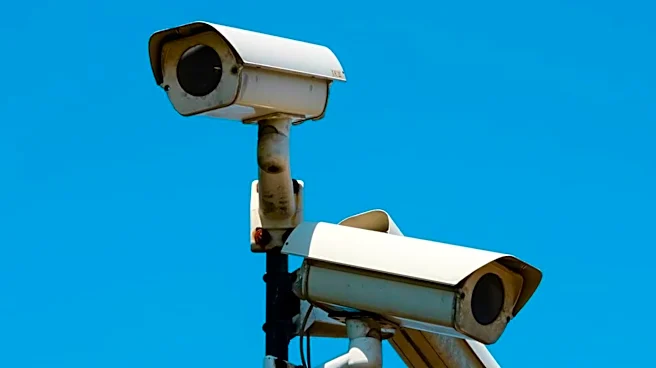
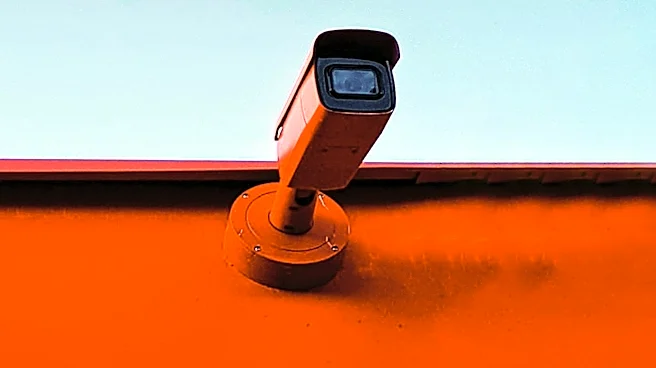
Two communities in the Houston area, Manvel and Willis, have suspended their use of Flock Safety cameras following resident concerns over privacy. The city council of Manvel, located south of Houston, unanimously voted to cancel its contract with Flock Safety,
a technology surveillance company. Concurrently, the mayor of Willis, north of Houston, announced a pause in the city's use of Flock cameras, pending a city council meeting. These decisions come as Flock faces increasing national scrutiny regarding its nationwide camera network. Manvel Mayor Dan Davis stated that the law enforcement benefits of Flock cameras cannot outweigh the responsibility of elected officials to ensure residents' right to privacy. He expressed concerns about the company's use of anonymized data to train its AI systems and the potential for other agencies to access Manvel's Flock system. Manvel's City Council will give Flock 30 days' notice to terminate the contract and will immediately cover existing cameras to prevent further recording. Willis Mayor William Brown indicated that public safety remains a priority, but the tools and technology used must be reviewed, and residents' concerns addressed.
Why It's Important?
The suspension of Flock camera use in these Houston-area communities highlights a growing national debate over the balance between public safety and individual privacy in the age of advanced surveillance technology. This development is significant for U.S. society as it underscores the increasing public and governmental scrutiny of surveillance systems. The decisions in Manvel and Willis could set a precedent for other municipalities grappling with similar privacy concerns, potentially influencing the adoption and regulation of such technologies nationwide. For companies like Flock Safety, these actions represent a challenge to their business model and may necessitate greater transparency and stricter data handling policies to maintain public trust. Residents stand to gain enhanced privacy protections, while law enforcement agencies may face limitations in their ability to utilize these tools for crime prevention and investigation, prompting a reevaluation of their surveillance strategies. The broader implications involve the ongoing tension between technological advancement and civil liberties, impacting how communities define and implement public safety measures.
What's Next?
Following the decisions in Manvel and Willis, the immediate next steps involve the formal termination of Manvel's contract with Flock Safety and the covering of its cameras. Willis's City Council will convene to discuss and determine the future of its Flock camera system. These local actions could prompt further discussions and policy reviews in other U.S. cities and counties that currently utilize or are considering implementing similar surveillance technologies. Major stakeholders, including civil liberties groups, technology companies, and law enforcement agencies, will likely monitor these developments closely. Civil liberties advocates may use these instances to push for stronger privacy regulations and oversight of surveillance technologies. Technology companies like Flock Safety may need to adapt their offerings and communication strategies to address privacy concerns more proactively. Law enforcement agencies might explore alternative methods for crime prevention and investigation or seek to establish clearer guidelines for the ethical use of surveillance tools to rebuild public trust.
Beyond the Headlines
The decisions by Manvel and Willis to suspend Flock camera use delve into deeper ethical and legal implications surrounding data collection and artificial intelligence in public spaces. Beyond the immediate privacy concerns, there's the question of how anonymized data, even if not directly identifiable, can be used to train AI systems, potentially leading to unforeseen biases or broader surveillance capabilities. This raises ethical considerations about consent and the long-term societal impact of pervasive data collection by private entities. Legally, these actions could spur challenges to existing contracts and prompt legislative efforts to regulate the use of AI-powered surveillance, particularly concerning data ownership, access, and retention. The cultural dimension involves a shifting public perception of security versus freedom, where communities are increasingly weighing the perceived benefits of surveillance against the erosion of personal liberties. This trend could lead to a redefinition of public space and expectations of privacy in an increasingly monitored world, influencing future urban planning and technological integration in daily life.