


What's Happening?
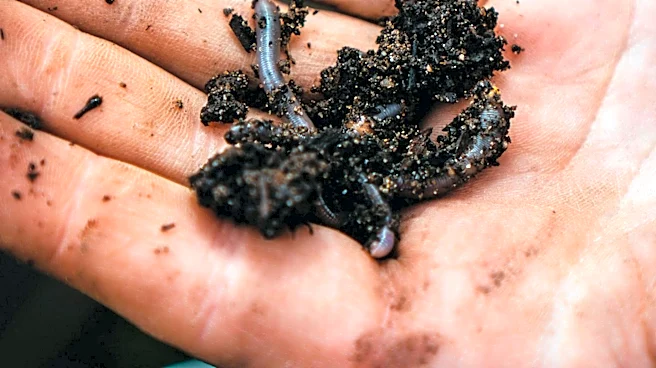
Spanish Fork City in Utah is actively encouraging its residents to engage in home composting. This initiative aims to reduce the amount of green waste and food scraps sent to landfills, while simultaneously providing residents with nutrient-rich compost for
their gardens and flowerbeds. Although Spanish Fork does not operate its own municipal green waste or composting facility, having closed a previous program due to high operational costs relative to the compost's value, the city supports alternative methods. Residents can still dispose of green waste, such as branches, weeds, leaves, and grass clippings, at the Dry Creek Transfer Station, utilizing free green waste vouchers provided annually. The city also promotes 'grass-cycling,' where grass clippings are left on lawns to return nutrients to the soil, further emphasizing sustainable waste management practices at the household level.
Why It's Important?
The promotion of home composting in Spanish Fork City is important for several reasons, primarily focusing on environmental sustainability and resource management. By encouraging residents to compost at home, the city aims to significantly reduce the volume of organic waste entering landfills. This reduction helps mitigate landfill overflow and decreases methane emissions, a potent greenhouse gas produced by decomposing organic matter in anaerobic landfill conditions. Furthermore, home composting empowers residents to create a valuable resource—compost—which enhances soil health, reduces the need for chemical fertilizers, and supports local gardening efforts. This initiative fosters a more self-sufficient and environmentally conscious community, aligning with broader ecological goals by transforming waste into a beneficial product. It also educates the public on sustainable practices, potentially leading to wider adoption of eco-friendly habits.
What's Next?
Spanish Fork City will likely continue its efforts to educate and support residents in their home composting endeavors. This could involve providing more resources, guides, or workshops on effective composting techniques, similar to programs seen in other communities. The city may also explore partnerships with local organizations or nurseries to offer discounted composting equipment or materials to further incentivize participation. Continued monitoring of waste diversion rates will be crucial to assess the program's success and identify areas for improvement. Additionally, the city might consider re-evaluating the feasibility of municipal composting programs in the future, especially if technological advancements or changes in market value make such operations more cost-effective. The ongoing encouragement of home composting is expected to lead to a more sustainable waste management system within the community.
Beyond the Headlines
Beyond the immediate benefits of waste reduction and soil enrichment, Spanish Fork City's emphasis on home composting reflects a growing trend towards decentralized and community-led environmental solutions. This approach shifts responsibility and agency to individual households, fostering a deeper connection between residents and their local ecosystem. It highlights a philosophical move away from large-scale, centralized waste management systems towards more localized, circular economy models where waste is viewed as a resource. This initiative also underscores the educational aspect of environmental stewardship, encouraging residents to understand the natural cycles of decomposition and nutrient return. Over time, such programs can cultivate a more resilient and environmentally aware populace, capable of implementing sustainable practices that extend beyond composting into other areas of daily life, contributing to a broader cultural shift towards sustainability.