

What's Happening?
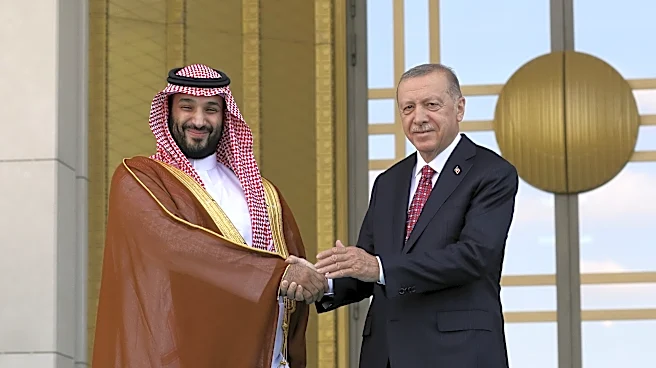
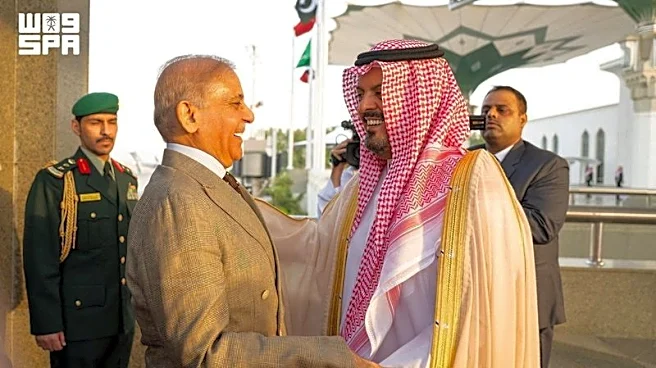
Saudi Arabia, Turkey, and Pakistan have signed a joint defense agreement aimed at strengthening security cooperation amid rising tensions in the Middle East. The agreement, signed by Turkish President Recep Tayyip Erdogan, Saudi Crown Prince Mohammed
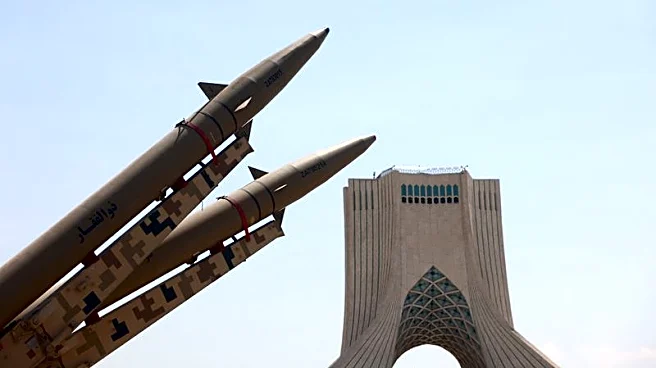
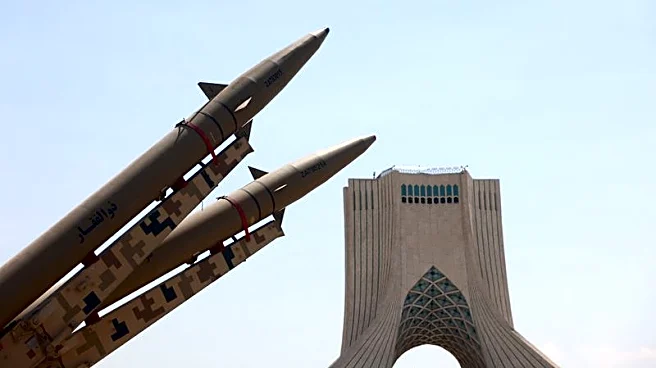
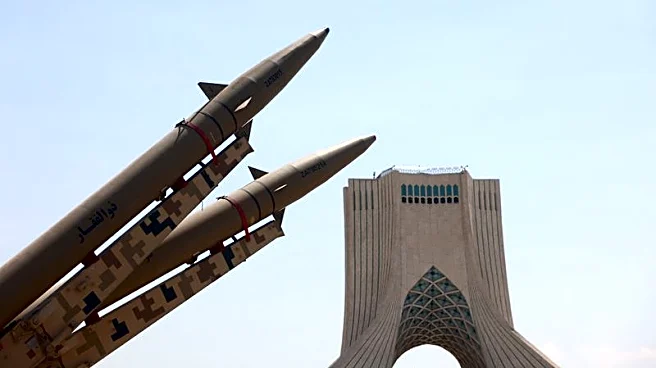
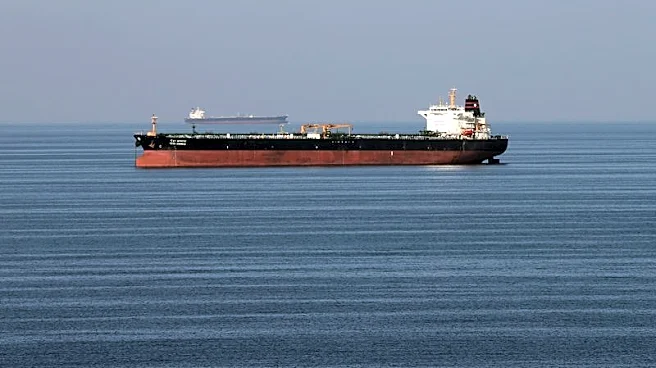
bin Salman, and Pakistani Prime Minister Shehbaz Sharif, establishes a mutual defense clause, treating an attack on one as an attack on all. This pact comes as the region faces instability due to the ongoing conflict between the United States and Iran, which has disrupted maritime trade routes.
Why It's Important?
The defense pact represents a strategic alignment of three major Muslim countries, each with significant military and economic strengths. Saudi Arabia's economic power, Turkey's military capabilities, and Pakistan's nuclear arsenal create a formidable alliance that could shift the regional balance of power. This agreement serves as a counterweight to Iran, potentially altering the dynamics of Middle Eastern geopolitics. It also reflects the shifting alliances in the region, as former rivals come together in response to external threats.
What's Next?
The implementation of this defense pact could lead to increased military cooperation and joint exercises among the three countries. It may also prompt reactions from other regional powers, particularly Iran, which could view this alliance as a direct threat. The agreement could influence ongoing diplomatic efforts to resolve the US-Iran conflict, as it adds a new layer of complexity to the regional security landscape. Additionally, other countries in the region may seek to join or form similar alliances to ensure their security.
Beyond the Headlines
This defense pact highlights the evolving nature of Middle Eastern alliances, driven by shared security concerns and geopolitical shifts. It reflects a broader trend of regional powers seeking to assert their influence and protect their interests amid global uncertainties. The agreement also raises questions about the future of US influence in the region, as traditional allies form new coalitions. Furthermore, the pact could have implications for global energy markets, given the strategic importance of the Strait of Hormuz and the Red Sea for oil transportation.