





What's Happening?
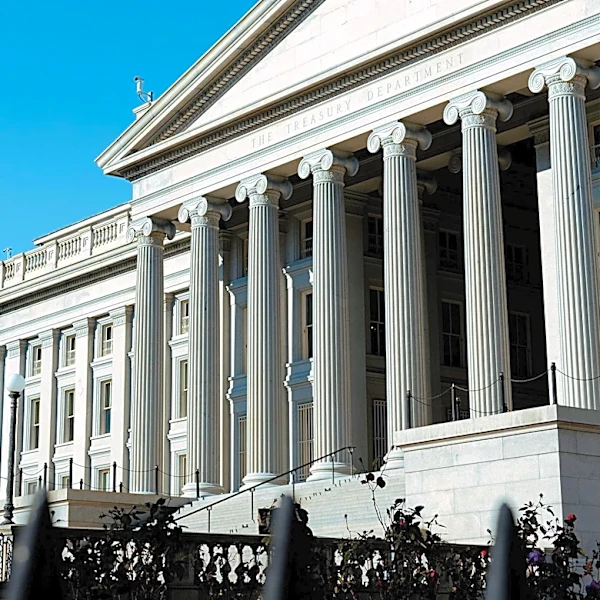
The U.S. State Department has delayed the allocation of a $25 million program intended to track and facilitate the return of Ukrainian children forcibly transferred to Russia and Russian-occupied territories. Researchers at Yale University’s Humanitarian
Research Lab, who have been instrumental in this effort, face potential elimination of their positions by December if new funding is not secured. The State Department announced the program in March but subsequently canceled the original grant competition (Notice of Funding Opportunity) on August 21, citing an intent to 'rescope the parameters of the award.' While the department states the funding remains in place and will be split into two distinct awards—approximately $15 million for locating and returning children and $10 million for rehabilitation and reintegration—the delay has prompted bipartisan concern from U.S. lawmakers, including Representatives Marcy Kaptur and Brian Fitzpatrick, and Senators Thom Tillis and Richard Blumenthal, who have urged the State Department to expedite the process.
Why It's Important?
This delay is critical because it directly impacts ongoing efforts to address a significant humanitarian crisis and alleged war crime. The Yale lab's research has been crucial in documenting the forced transfer of Ukrainian children, identifying a network of at least 210 facilities in Russia and Russian-occupied Ukraine where these children have been taken, and preserving evidence for potential future legal proceedings. The International Criminal Court has already issued arrest warrants for Russian President Vladimir Putin and his children’s rights commissioner for the unlawful transfer and deportation of children. A disruption in funding could lead to the loss of specialized expertise and institutional knowledge, hindering the ability to locate and return thousands of children, with Ukraine estimating up to 20,000 have been forcibly taken. The delay also undermines the U.S.'s commitment to supporting Ukraine in this critical area, especially as an international conference on returning Ukrainian children is scheduled for late September.
What's Next?
U.S. lawmakers and advocacy groups are pressing the State Department to promptly complete its review and award the full $25 million. The State Department has indicated it will issue two distinct awards, with the underlying funding still available. However, the timeline for these awards remains unclear, and the Yale lab's executive director, Nathaniel Raymond, has warned that researchers could be terminated by December without new funding. The lab is preparing a high-confidence verification report on the estimated 35,000 Ukrainian children taken, expected in October, which could be its last if funding is not secured. The outcome of this funding decision will significantly influence the future of tracking and returning Ukrainian children, as well as the preservation of evidence for accountability. The issue will likely remain a point of focus for congressional oversight and international humanitarian efforts.
Beyond the Headlines
The delay in funding for tracking Ukrainian children highlights broader challenges in international humanitarian aid and the complexities of bureaucratic processes, even in urgent situations. Beyond the immediate impact on the Yale lab, this situation raises questions about the agility and responsiveness of large governmental bodies in addressing rapidly evolving crises. The forced transfer of children is a deeply sensitive issue with long-term psychological and social implications for the affected children and their families, as well as for the future of Ukraine. The potential loss of critical data and expertise due to funding delays could impede justice and reconciliation efforts for years to come. This incident also underscores the vital role of academic institutions and NGOs in providing specialized research and support that governments may struggle to replicate, emphasizing the need for robust and consistent funding mechanisms for such critical work.