






What's Happening?
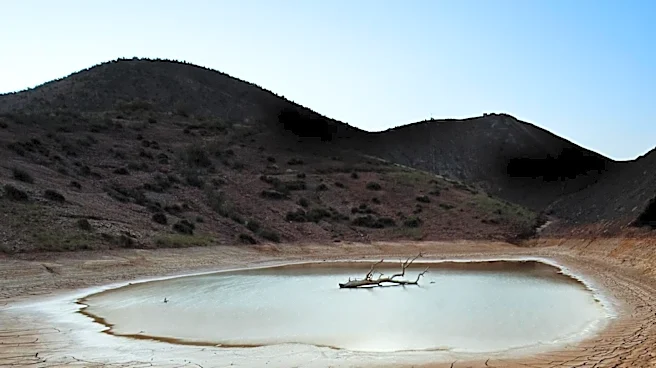
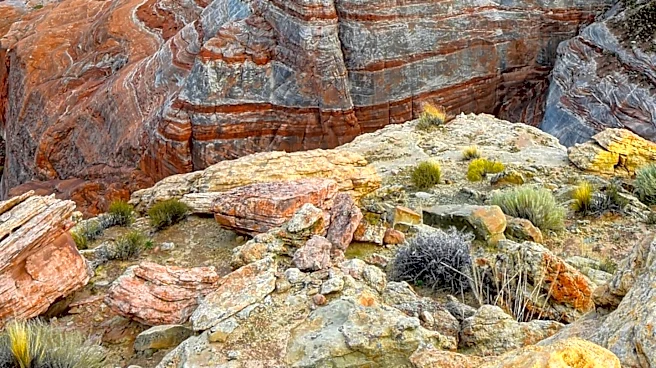
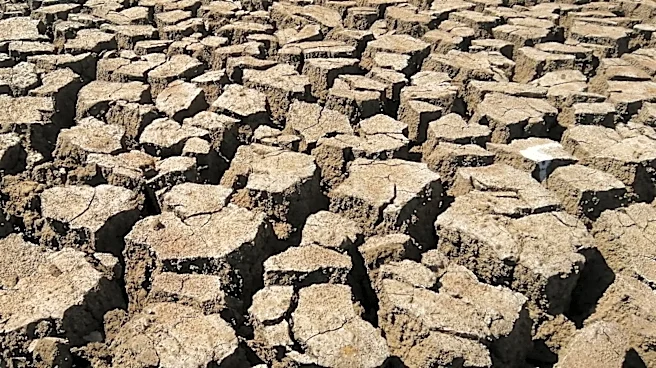
Lake Powell, the second-largest reservoir in the U.S., is approaching unprecedented low water levels due to a historically low snowpack and record-breaking heatwaves. The reservoir, crucial for water supply and hydroelectric power, is at about 22% capacity.
This situation has intensified discussions among the seven states reliant on the Colorado River about how to manage and conserve this vital water source. The U.S. Bureau of Reclamation may impose its own plan for water cuts if states fail to reach an agreement.
Why It's Important?
The declining water levels at Lake Powell highlight the severe impact of climate change on water resources in the U.S. West. This crisis threatens water supply for millions of people and could disrupt hydroelectric power generation. The situation underscores the urgent need for sustainable water management practices and cooperative agreements among states. The potential for federal intervention reflects the gravity of the crisis and the challenges in balancing water needs with environmental conservation.
What's Next?
Negotiations among the states are expected to continue, with the possibility of federal intervention if no agreement is reached. States may need to implement more aggressive water conservation measures and explore alternative water sources. The crisis could prompt broader discussions about climate change adaptation and the need for long-term solutions to ensure water security in the region.