





What's Happening?
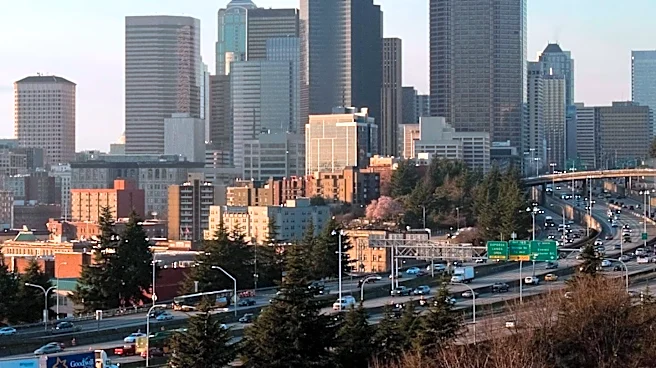
Seattle is confronting a potential $2 billion cost to replace deteriorating underground power lines, a problem stemming from decisions made over 60 years ago. In the 1960s, affluent neighborhoods like Laurelhurst, Madison Park, Magnolia, and Queen Anne
petitioned the city to bury their electrical lines for aesthetic reasons. These cables were installed directly into the wet Seattle soil without protective conduit, and are now failing, causing frequent and prolonged power outages. KIRO host Gee Scott highlighted that this issue represents a 'bill coming due' for past decisions. The Seattle City Light estimates that replacing the 330 miles of aging underground cable could cost $2 billion, a sum that would likely be distributed among all utility customers through increased rates.
Why It's Important?
This situation underscores a significant issue of infrastructure aging and the long-term consequences of urban planning decisions. The proposed method of funding the repairs, by spreading the cost across all Seattle City Light customers, raises questions of equity and fairness. Critics, including KIRO host Ursula Reutin, argue that residents in lower-income areas, who did not benefit from the initial undergrounding of power lines, should not bear the financial burden for improvements made primarily for wealthier neighborhoods. This debate highlights class fissures within the city and the challenge of socializing costs for problems that originated from localized, amenity-driven projects. The resolution of this funding crisis could set a precedent for how cities address similar infrastructure challenges and allocate costs among diverse communities.
What's Next?
The debate over how to fund the $2 billion repair project is expected to intensify. Options could include a city-wide rate increase, as currently anticipated, or the implementation of a neighborhood-specific fee for the areas that initially benefited from the buried lines, as suggested by Ursula Reutin. Political leaders and city officials will need to navigate public sentiment and economic considerations to determine a fair and sustainable funding mechanism. This issue may also prompt a broader review of Seattle's infrastructure maintenance policies and long-term financial planning for essential services. The outcome will likely influence future urban development projects and how the city balances aesthetic preferences with equitable cost distribution.
Beyond the Headlines
This issue delves into the deeper societal implications of urban development and wealth disparity. The 'privatization of gains and socialization of problems,' as articulated by Gee Scott, reflects a recurring theme in public policy where benefits accrue to specific groups while costs are distributed more broadly. It raises ethical questions about intergenerational equity, as current residents are being asked to pay for decisions made decades ago. The situation also highlights the importance of robust infrastructure planning that considers long-term environmental factors and equitable access to services. The resolution of this challenge could influence how Seattle, and potentially other U.S. cities, approaches future infrastructure investments, emphasizing transparency, fairness, and comprehensive cost-benefit analyses that account for all segments of the population.