








What's Happening?
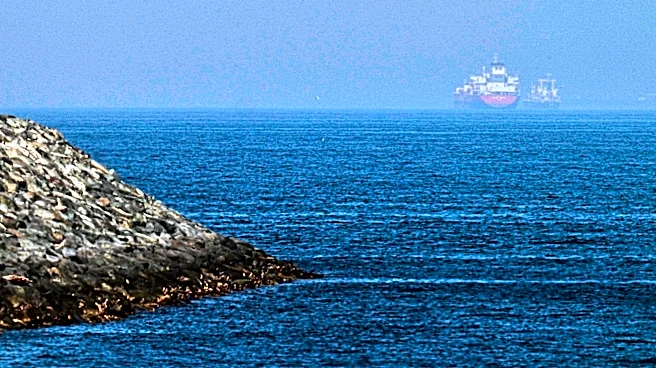
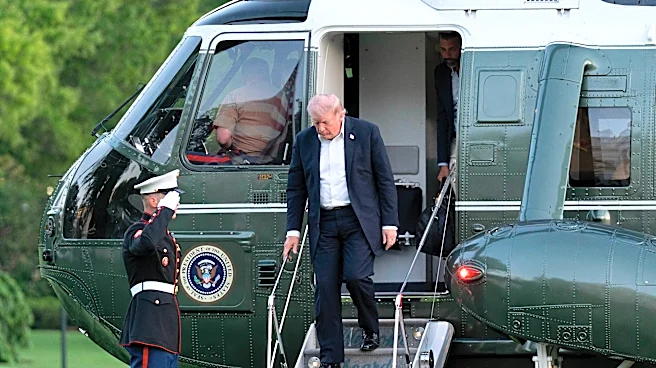
Tensions have escalated in the Strait of Hormuz as Iran reportedly fired warning shots at U.S. ships. This development comes amid a backdrop of increasing gas prices across the United States. President Trump has stated that the U.S. was not the intended
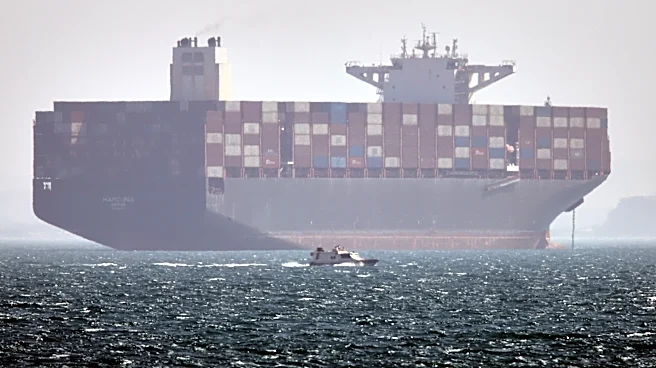
target of these actions. The Strait of Hormuz is a critical chokepoint for global oil shipments, and any disruption in this area can have significant implications for international oil markets and, consequently, gas prices domestically.
Why It's Important?
The Strait of Hormuz is a vital artery for the global oil supply, with a significant portion of the world's petroleum passing through this narrow waterway. Any military activity or perceived threat in this region can lead to volatility in oil prices, which directly impacts gas prices in the U.S. The recent actions by Iran could exacerbate existing tensions and contribute to further instability in oil markets. This situation underscores the interconnectedness of global geopolitical events and domestic economic conditions, particularly in the energy sector.
What's Next?
The U.S. government and its allies may need to engage in diplomatic efforts to de-escalate tensions in the Strait of Hormuz. Additionally, there could be increased military presence or patrols in the region to ensure the safety of commercial shipping lanes. The situation may also prompt discussions on energy independence and the diversification of energy sources to mitigate the impact of such geopolitical events on domestic gas prices.