


What's Happening?
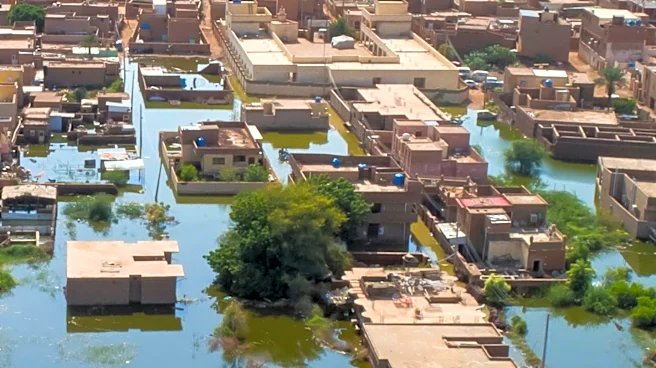
Gaza is experiencing severe flooding, exacerbating an already dire humanitarian situation. Heavy rainstorms on November 7 and 8 overwhelmed damaged sewage networks and makeshift shelters, leading to widespread inundation. In Al Maghazi refugee camp, municipal
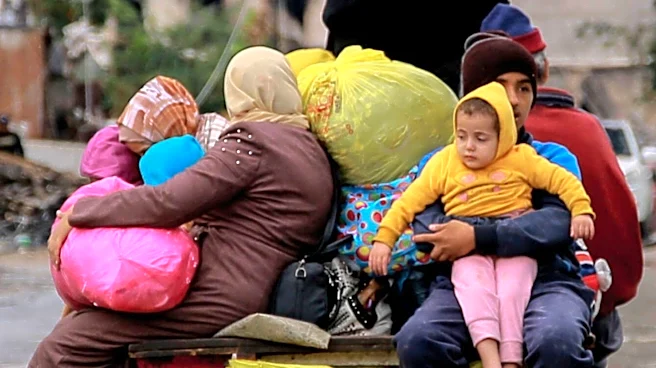
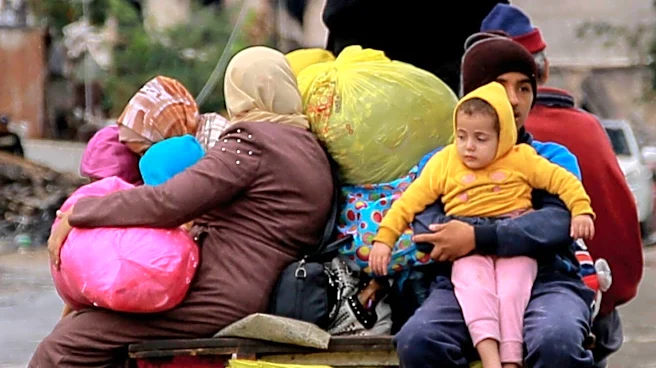
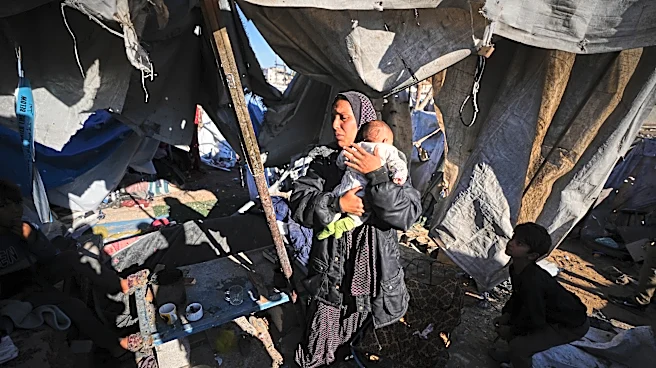
teams face a critical dilemma: fuel allocated for pumping drinkable water is being diverted to pump floodwaters out of shelters. Municipal engineer Imad Abdel Jawad stated that the diesel used for flood pumps comes from the already insufficient supply for water wells. Hanan Saied, a 46-year-old resident, described her shelter flooding with over a foot of water, soaking bedding and clothing for her seven children. Gaza’s Government Media Office reported that at least 70,000 tents sheltering displaced Palestinians flooded within 12 hours. The United Nations Office for the Coordination of Humanitarian Affairs (OCHA) estimated that by November 8, 1.4 million people, 65% of Gaza’s population, were living in tents or shelters, with over 26,000 households reporting damaged shelters or belongings.
Why It's Important?
The flooding in Gaza represents a critical humanitarian crisis, forcing an impossible choice between sanitation and access to clean water. This dilemma directly impacts public health, as contaminated floodwaters increase the risk of waterborne diseases, while a lack of clean drinking water can lead to dehydration and further health complications. The destruction of shelters and personal belongings leaves already displaced populations even more vulnerable, facing exposure to harsh weather conditions and loss of what little they possess. The damaged sewage infrastructure, exacerbated by Israeli bombardment and lack of replacement parts, creates a vicious cycle where rainwater mixes with sewage, further contaminating the environment. This situation highlights the severe strain on essential services and the profound challenges faced by humanitarian organizations trying to provide aid in a conflict-affected region with limited resources and damaged infrastructure.
What's Next?
The immediate priority will be to address the urgent needs of the affected population, including providing clean water, sanitation facilities, and dry shelter. However, the ongoing conflict and damaged infrastructure will severely impede these efforts. Humanitarian organizations will continue to appeal for increased aid and access to essential supplies like fuel and construction materials. The long-term outlook remains bleak without significant reconstruction and repair of Gaza's infrastructure, particularly its sewage and water systems. The choice between pumping sewage and providing clean water will persist as long as fuel and resources remain scarce. International pressure may mount for a more sustainable solution to the humanitarian crisis, including calls for a cessation of hostilities and facilitated access for aid and reconstruction materials. The health consequences of the flooding, including potential outbreaks of disease, will require continuous monitoring and intervention.
Beyond the Headlines
The floods in Gaza expose the profound and multifaceted consequences of prolonged conflict and blockade on civilian populations. The destruction of infrastructure, coupled with restrictions on essential materials, has rendered the region highly vulnerable to natural disasters, turning heavy rainfall into a catastrophic event. This situation raises critical questions about international humanitarian law and the responsibility of all parties to protect civilian infrastructure and ensure access to basic necessities. The choice between pumping sewage and providing clean water is not merely a logistical problem but a stark illustration of systemic deprivation and the erosion of human dignity. It underscores the long-term environmental and public health crises that will persist long after any immediate conflict subsides, requiring comprehensive and sustained international efforts for recovery and resilience building, far beyond emergency aid.