





What's Happening?
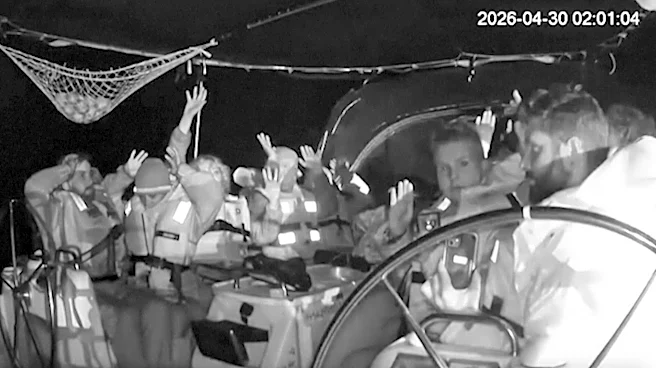
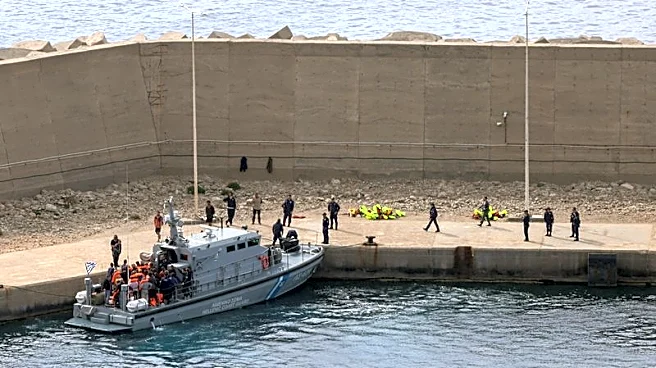
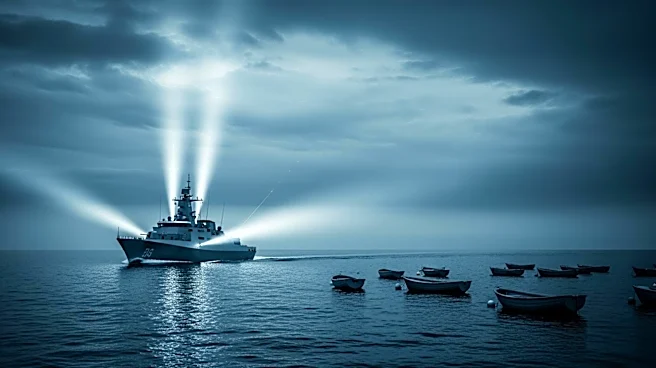
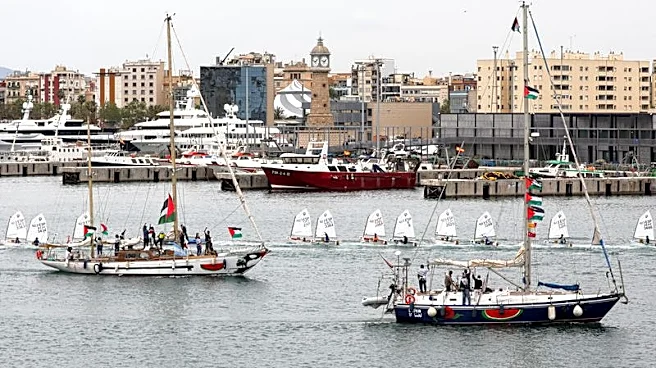
The international advocacy group Reporters Without Borders (RSF) has accused Israel of abducting journalists who were aboard a Gaza-bound activist flotilla intercepted by the Israeli Navy. The flotilla, known as the Second Sumud Flotilla, was seized near
the Greek island of Crete. Israeli forces detained 175 people from 22 of the 58 boats, while the flotilla organizers claimed that 211 activists were 'kidnapped.' The flotilla had departed from Barcelona with the aim of breaching the Israeli naval blockade of Gaza. Among those detained were journalists Hafedh Mribah, Mahmut Yavuz, and Alex Colston. RSF condemned the actions, stating that the Israeli army is responsible for the journalists' safety. The incident has drawn criticism from Spanish Prime Minister Pedro Sanchez, who accused Israeli Prime Minister Benjamin Netanyahu of violating international maritime law.
Why It's Important?
This incident highlights ongoing tensions surrounding the Israeli blockade of Gaza and the international response to it. The interception of the flotilla and the detention of journalists raise significant concerns about press freedom and the treatment of media personnel in conflict zones. The accusations from RSF and the involvement of international figures, such as Spanish Prime Minister Pedro Sanchez, underscore the diplomatic ramifications of Israel's actions. The situation could potentially strain Israel's relations with European countries and impact international perceptions of its policies towards Gaza. The broader implications for press freedom are also significant, as the detention of journalists in international waters could set a concerning precedent for media operations in conflict areas.
What's Next?
The immediate next steps involve the safe release of the detained journalists and activists. The international community, including media advocacy groups and governments, may increase pressure on Israel to ensure the safety and release of those detained. Diplomatic discussions between Israel and European countries, particularly Spain, could intensify as they address the legal and humanitarian aspects of the incident. The European Union may also consider reviewing its trade agreements with Israel, as suggested by Spanish Prime Minister Pedro Sanchez. The incident could lead to further flotilla attempts to challenge the blockade, potentially escalating tensions in the region.
Beyond the Headlines
The interception of the flotilla and the detention of journalists highlight the complex interplay between media freedom, international law, and geopolitical conflicts. The incident raises ethical questions about the rights of journalists to report in conflict zones and the responsibilities of states to protect press freedom. It also underscores the challenges faced by media organizations in covering contentious issues like the Israeli-Palestinian conflict. The broader implications for international maritime law and the rights of activists and journalists in international waters could influence future legal and diplomatic frameworks.