





What's Happening?
George Soros, the billionaire investor and philanthropist, holds dual citizenship in both the United States and Hungary. Born in Budapest, Hungary, in 1930, Soros's family fled to England in 1947 due to the Holocaust. He later moved to the United States in 1956
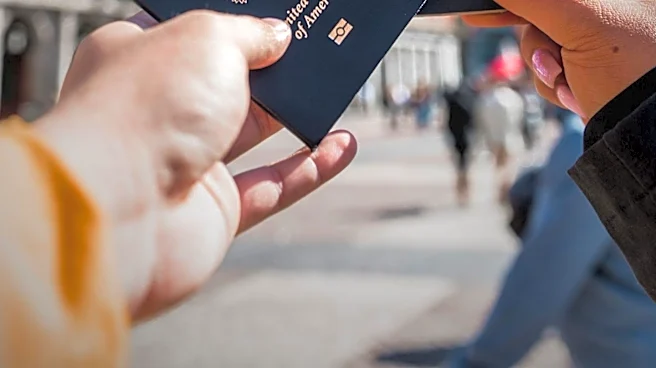
and obtained American citizenship in 1961 through naturalization. Concurrently, he maintained his Hungarian citizenship, which he still possesses today. This dual nationality is a result of his birth, naturalization, and the respective laws of both countries. Soros has openly acknowledged his dual citizenship, stating in a 2018 interview with the New York Times, "I am a citizen of the United States, and I am also a citizen of Hungary. I have dual citizenship, and I am proud of it." His philanthropy is primarily conducted through the Open Society Foundations, and Soros Fund Management LLC, which he founded in 1970, manages $28 billion in assets globally.
Why It's Important?
The dual citizenship of a prominent figure like George Soros highlights the complexities and implications of holding nationality in more than one country. This status can be acquired through various means, including birth, naturalization, or marriage, and is a matter of fact for many individuals globally. For Soros, his dual citizenship has been a point of discussion and, at times, controversy, with some questioning loyalty or suggesting ulterior motives, such as tax evasion. However, experts like Dr. Mark Rosenblum, a law professor at the University of Michigan, emphasize that dual citizenship does not inherently imply a lack of commitment to one's original country. This situation underscores the varying legal frameworks surrounding citizenship across nations and the personal choices individuals make regarding their national affiliations, which can have significant public and political ramifications, especially for those with substantial public profiles and influence.
What's Next?
While George Soros's dual citizenship is a settled fact, the broader discourse around dual nationality, particularly for influential individuals, is likely to continue. Discussions may arise concerning the implications of dual citizenship for political engagement, international relations, and financial transparency. As global mobility increases and international ties strengthen, the concept of dual citizenship will remain a relevant topic in policy debates and public opinion. Future discussions could involve potential legislative changes regarding dual nationality in various countries or increased scrutiny of the financial and political activities of dual citizens. The ongoing nature of these conversations will likely shape how dual citizenship is perceived and regulated in the future, especially in the context of high-profile figures.
Beyond the Headlines
The case of George Soros's dual citizenship delves into deeper ethical and cultural dimensions surrounding national identity and allegiance. In an increasingly interconnected world, the traditional notion of singular national loyalty is challenged by individuals who maintain strong ties to multiple nations. This situation can spark debates about what constitutes national commitment and whether holding dual citizenship dilutes or enhances an individual's contributions to their respective countries. For Soros, his Hungarian heritage and experiences during the Holocaust likely inform his philanthropic endeavors through the Open Society Foundations, which promote democratic governance, human rights, and social reform globally. This demonstrates how personal history and dual national identity can shape an individual's worldview and influence their actions on an international scale, transcending simple legal definitions of citizenship.