






What's Happening?
Greece's Government Council for Foreign Affairs and Defense (KYSEA) has approved a €3.5 billion ($4 billion) defense procurement package, which includes significant investments in Israeli missile defense and drone technologies. This initiative is part
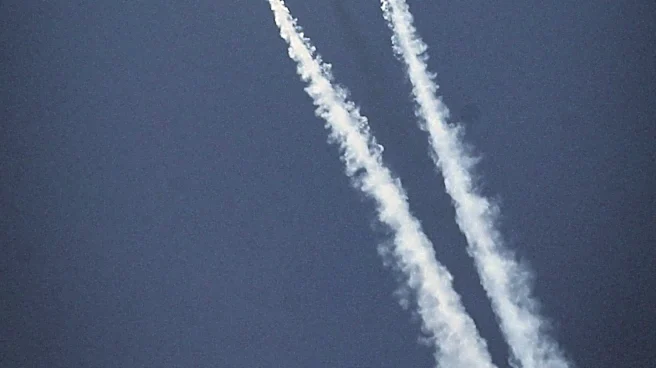
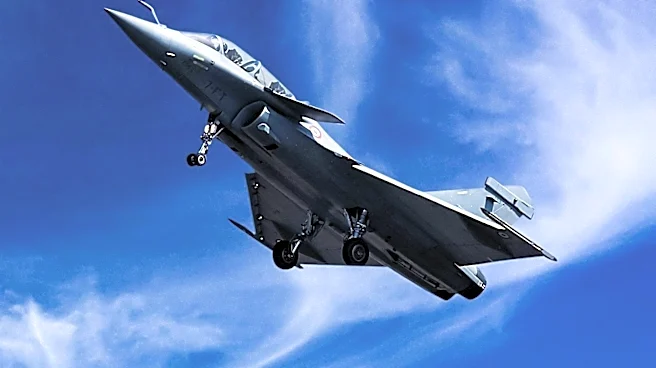
of Greece's long-term military modernization program, aimed at strengthening its deterrence capabilities from 2025 to 2036. The core of this modernization effort is the 'Achilles Shield,' a multi-layered air, missile, and anti-drone defense network. Israeli radars and missiles will form the central part of this system, with local Greek companies contributing to at least 25% of its production. The package includes Israeli-made Spyder systems for short-range interceptions, Barak MX for medium-range threats, and David’s Sling for ballistic missile interceptions. Additionally, Greece plans to acquire 20 F-35 fighter jets and various cyber systems to enhance its defense capabilities.
Why It's Important?
This defense procurement marks a significant step in Greece's efforts to modernize its military capabilities amid ongoing tensions with Turkey over maritime boundaries and energy exploration. By investing in advanced defense systems, Greece aims to bolster its deterrence capabilities and secure its airspace against potential threats. The acquisition of Israeli technologies not only strengthens Greece's military but also deepens the strategic partnership between Greece and Israel, which has been growing since 2010. This partnership includes defense cooperation, intelligence sharing, and joint military exercises, further solidifying Greece's position within NATO and enhancing its regional security posture.
What's Next?
The implementation of the 'Achilles Shield' is expected to be completed within 35 months, significantly enhancing Greece's air defense capabilities. As Greece continues to modernize its military, it may seek further collaborations with international partners to address emerging security challenges. The approval of this defense package could also prompt reactions from neighboring countries, particularly Turkey, potentially influencing regional security dynamics. Additionally, Greece's investment in advanced technologies may encourage other NATO members to enhance their own defense capabilities, contributing to the overall security of the alliance.