







What's Happening?
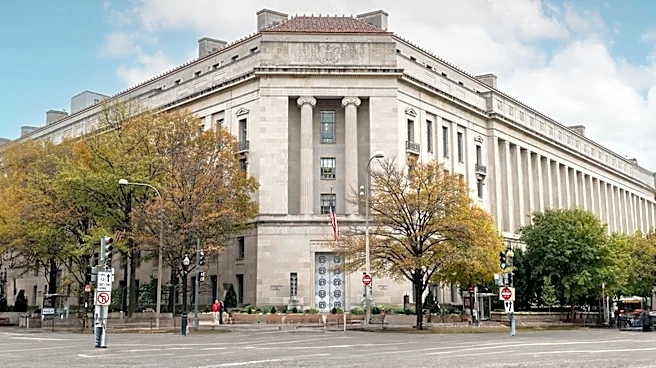
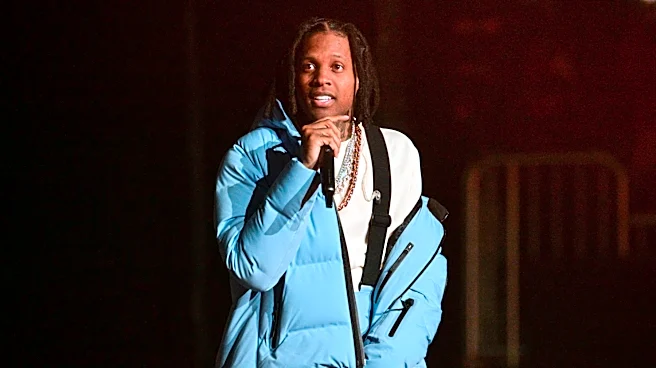
Ada William Obayuwana, an aspiring Los Angeles-area rapper known as 'ColdheartedAC' or 'AC,' has been arrested and charged in connection with an $8.1 million stolen check scheme. According to the U.S. Department of Justice, Obayuwana and two co-defendants,
Albert Tai Vu and Cassandra Marie Murrillo, face a 25-count federal grand jury indictment. The indictment alleges that between April 2022 and December 2023, the trio illegally obtained over 50 stolen U.S. Treasury checks and hundreds of other checks belonging to individuals and businesses. These checks, some containing tax refunds, veterans' benefits, and Social Security Administration benefits, were then cashed or attempts were made to cash them at various lenders across Southern California. The defendants allegedly forged endorsements, modified names and addresses, and opened bank accounts to deposit the stolen funds, impersonating the identities of the victims. Obayuwana is accused of attempting to cash at least three Treasury tax refund checks worth $382,109, successfully withdrawing $229,109 from one. In December 2023, he was found with over 100 stolen or fraudulent checks totaling more than $6.1 million in his car, including 48 stolen Treasury checks worth approximately $2.5 million, from which he successfully cashed eight, amounting to about $1.7 million.
Why It's Important?
This arrest highlights the persistent threat of financial fraud and identity theft, particularly schemes targeting government benefits and individual finances in the U.S. The scale of the alleged fraud, totaling $8.1 million, underscores the significant financial losses that can result from such criminal activities, impacting both government agencies and private citizens. The involvement of U.S. Treasury checks, including those for tax refunds and social security, points to vulnerabilities in financial systems that criminals exploit, necessitating enhanced security measures and vigilance. For U.S. taxpayers and beneficiaries, this case serves as a stark reminder of the importance of safeguarding personal financial information and monitoring accounts for suspicious activity. The prosecution of individuals involved in such schemes is crucial for deterring similar crimes and maintaining public trust in financial institutions and government services. The case also sheds light on the methods used by fraudsters, such as forging documents and impersonating identities, which can inform preventative strategies for banks and law enforcement agencies across the country.
What's Next?
Following his arrest, Ada William Obayuwana remains in federal custody. He faces nine counts of bank fraud, three counts of delivering stolen Treasury checks, and one count of aggravated identity theft. Albert Tai Vu, who was also arrested, is charged with five counts of delivering stolen Treasury checks, four counts of money laundering, and two counts of aggravated identity theft. Cassandra Marie Murrillo is expected to surrender to federal authorities in Los Angeles and is charged with an additional count of delivering stolen Treasury checks. The legal proceedings will continue with further investigations, potential plea bargains, or trials for the defendants. The U.S. Department of Justice will aim to secure convictions and potentially recover the stolen funds. This case may also prompt federal agencies, such as the Treasury Department and the Social Security Administration, to review and strengthen their protocols for issuing and verifying checks to prevent future fraudulent activities. Financial institutions involved in the scheme may also face scrutiny regarding their check-cashing and account-opening procedures.
Beyond the Headlines
Beyond the immediate legal ramifications, this case touches upon broader societal issues, including the allure of quick wealth and the intersection of aspiring artists with criminal enterprises. The alleged involvement of an aspiring rapper in a large-scale fraud scheme could spark discussions about the pressures faced by individuals seeking success in competitive industries and the ethical boundaries they might cross. Furthermore, the sophisticated nature of the scheme, involving multiple individuals and the impersonation of identities, highlights the evolving challenges in combating financial crime in the digital age. It underscores the need for continuous innovation in cybersecurity and fraud detection technologies, as well as increased public awareness campaigns to educate citizens about common scams. The case also implicitly raises questions about the effectiveness of current identity verification processes within financial institutions and the potential for more robust, perhaps biometric, authentication methods to prevent such widespread fraud. The long-term impact could include stricter regulations on check processing and account opening, affecting both financial institutions and consumers.