






What's Happening?
Southeast Asia is grappling with an energy crisis exacerbated by geopolitical tensions, particularly the Iran war, which has disrupted supply chains. The region is increasingly turning to renewable energy sources like solar to mitigate these challenges.
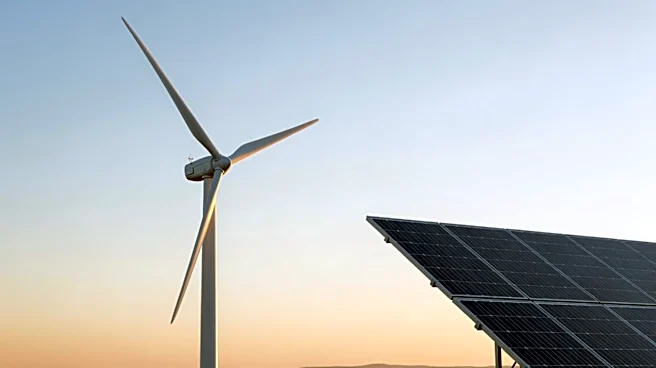
The Philippines, for instance, has expedited approvals for solar projects such as MTerra Solar, which integrates solar energy with battery storage. This move aims to reduce reliance on imported fuels and enhance energy security. However, the region faces resistance to coal power due to environmental concerns, despite its lower price volatility compared to oil and LNG. The concentration of solar component manufacturing in China poses additional challenges, as it creates dependency on a single country for critical supplies.
Why It's Important?
The shift towards renewable energy in Southeast Asia is crucial for reducing dependency on fossil fuels and enhancing energy security. This transition is driven by the need to avoid unstable supply chains and geopolitical shocks that can disrupt energy availability. The focus on decentralised power supplies, such as solar and wind, offers countries greater autonomy and independence. However, the reliance on China for solar components highlights vulnerabilities in the supply chain, which could be problematic if geopolitical tensions escalate. The move towards renewables also aligns with global efforts to decarbonize and address climate change, making it a significant step for the region's long-term sustainability.
What's Next?
Countries in Southeast Asia are likely to continue investing in renewable energy projects to enhance energy security and reduce environmental impact. Governments and private investors may focus on diversifying energy sources, including biomethane and hybrid solutions, to mitigate supply chain risks. The geopolitical landscape will play a critical role in shaping energy policies, with potential conflicts influencing supply chain stability. As the region navigates these challenges, the integration of localised energy solutions and storage technologies will be key to ensuring resilience against future disruptions.
Beyond the Headlines
The energy transition in Southeast Asia has broader implications for global energy markets. As countries in the region reduce reliance on fossil fuels, there may be shifts in global demand patterns, affecting oil and LNG prices. The focus on renewables also highlights the need for technological advancements in energy storage and grid management. Additionally, the concentration of solar component manufacturing in China raises ethical and strategic concerns about supply chain dependencies. These developments underscore the importance of international cooperation and innovation in achieving sustainable energy goals.