






What's Happening?
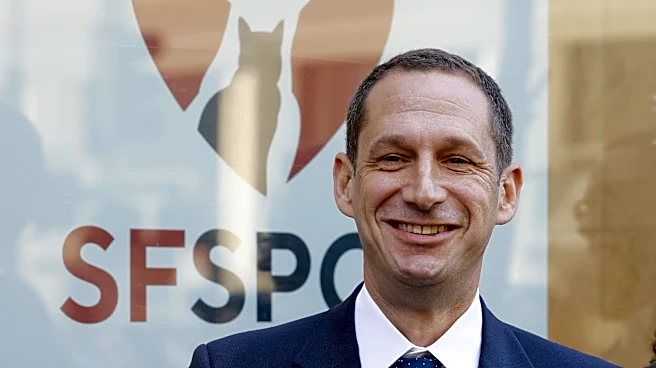
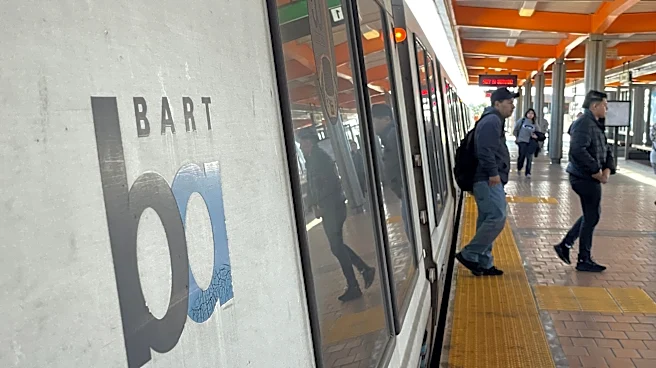
San Francisco Mayor Daniel Lurie and Supervisor Jackie Fielder announced a $9.25 million grant from the Crankstart Foundation aimed at improving conditions at the Mission District's two BART plazas and surrounding streets. The funding, provided by Michael
Moritz's family foundation, will be allocated for installing lighting, 'public safety technology,' and hiring additional community ambassadors. The specific nature of the technology is yet to be determined, though the city has previously utilized police drones and Flock surveillance cameras. The areas around the 16th and 24th Street BART stations are currently affected by open drug dealing, drug consumption, and the sale of stolen goods, impacting over 10,000 daily visitors. Mayor Lurie has frequently visited these plazas, acknowledging the city's prior shortcomings in addressing these issues. This grant follows a previous $3 million secured from the state for plaza improvements earlier this year.
Why It's Important?
This grant is significant for San Francisco as it directly addresses persistent public safety and quality-of-life issues in high-traffic transit hubs. The investment in lighting, technology, and community ambassadors aims to deter illicit activities and create a safer environment for residents and commuters. For Mayor Lurie, this initiative is crucial for demonstrating progress on his commitment to cleaning up city streets, a key priority of his administration. The involvement of the Crankstart Foundation, a major philanthropic entity with ties to Michael Moritz, a significant political donor and backer of the San Francisco Standard, highlights the role of private funding in addressing urban challenges. The success of this program could serve as a model for other areas facing similar issues, potentially influencing future public-private partnerships in urban revitalization efforts. Conversely, if the improvements do not yield tangible results, it could intensify scrutiny on the effectiveness of such interventions and the mayor's broader urban policy agenda.
What's Next?
The immediate next steps involve determining the precise public safety technology to be deployed and the hiring process for new community ambassadors. The grant is expected to fund these ambassadors for two years, with some Spanish-speaking ambassadors assigned to Marshall Elementary School, an area where parents have raised concerns about drug-related issues. It remains unclear whether the net number of ambassadors in the area will increase, especially given previous city layoffs of 14 ambassadors due to budget constraints. The new ambassadors will be hired through outside contractors rather than as city employees, and their patrol hours are yet to be finalized. Supervisor Fielder had previously advocated for 24/7 patrols, but the city deemed it unsafe and too costly. The city will monitor conditions using a dashboard tracking citations, arrests, and 311 complaints to assess the impact of these new measures.
Beyond the Headlines
Beyond the immediate improvements, this initiative touches upon broader discussions regarding urban governance, public safety, and the role of technology in civic spaces. The deployment of 'public safety technology,' potentially including surveillance tools, raises questions about privacy and civil liberties, prompting a need for transparent policies and community oversight. The reliance on philanthropic funding from influential figures like Michael Moritz also highlights the increasing intertwining of private wealth and public policy, potentially influencing civic priorities and resource allocation. Furthermore, the decision to hire ambassadors through outside contractors rather than as city employees could impact labor practices and accountability. The long-term success of this project will not only be measured by crime statistics but also by its ability to foster a sense of community safety and inclusivity, addressing the root causes of urban decay rather than just its symptoms.