






What's Happening?
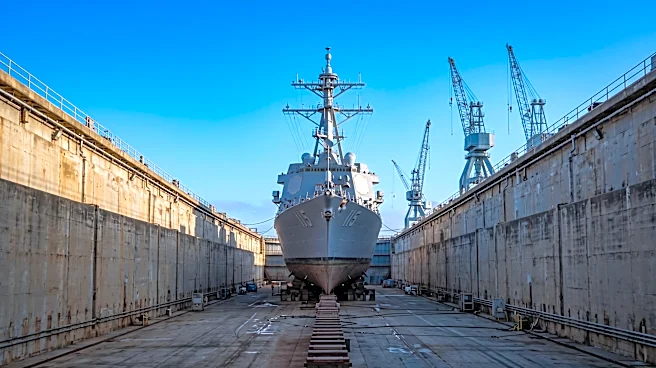
Congressman Bobby Scott (VA-03) recently appeared on Ship Repair Radio to discuss critical issues facing the U.S. maritime industry. As a member of the bipartisan Congressional Shipbuilding Caucus, Scott addressed the future of fleet maintenance, domestic
shipyard capacity, and maritime workforce training. Key topics included the ongoing competition to secure a consistent Navy workload in Norfolk, the financial impact of unbudgeted operations like Operation Epic Fury which created a $1 billion depot maintenance deficit in the Atlantic Fleet, and the necessity of prioritizing federal investment in existing domestic shipyards over new public yards or foreign outsourcing. The discussion also covered strategies for workforce development, such as leveraging registered apprenticeships and expanding 'Workforce Pell' short-term grants to advance mid-level tradespeople into leadership roles. The episode highlighted the challenges and potential solutions for maintaining a robust national maritime base.
Why It's Important?
The issues discussed by Congressman Scott are vital for national security and economic stability in regions heavily reliant on the maritime industry, such as Hampton Roads. Funding shortfalls in fleet maintenance directly impact the operational readiness of the U.S. Navy, potentially compromising national defense capabilities. The debate over domestic shipyard capacity versus foreign outsourcing has significant implications for American jobs, technological independence, and the resilience of the defense industrial base. Investing in existing shipyards supports local economies and ensures that critical maintenance and construction work remains within the U.S. Furthermore, initiatives to upskill the maritime workforce are crucial for addressing labor shortages and ensuring a skilled talent pipeline, which is essential for the long-term health and competitiveness of the U.S. shipbuilding and repair sector. The stability of Navy workloads in key homeporting locations like Norfolk directly affects thousands of jobs and local economic vitality.
What's Next?
The discussions initiated by Congressman Scott on Ship Repair Radio are likely to inform ongoing legislative efforts and policy debates in Congress. Continued advocacy from the Congressional Shipbuilding Caucus will be crucial in securing adequate funding for fleet maintenance and directing federal dollars towards domestic shipyard expansion. Stakeholders, including the Navy, defense contractors, labor unions, and workforce development organizations, will likely continue to engage with lawmakers to push for policies that support a strong maritime industrial base. The emphasis on workforce development programs like 'Workforce Pell' suggests potential legislative pushes to expand access to such grants, aiming to address skill gaps and promote career advancement within the industry. The future of fleet homeporting decisions and maintenance contracts will remain a competitive area, with significant implications for naval readiness and regional economies.
Beyond the Headlines
Beyond the immediate concerns of funding and capacity, the conversation touches upon broader strategic implications for the U.S. as a global maritime power. A robust domestic shipbuilding and repair industry is not just an economic asset but a strategic imperative, reducing reliance on foreign entities for critical defense capabilities. The focus on workforce development also highlights a national challenge in skilled trades, underscoring the need for sustained investment in vocational training and apprenticeships across various sectors. The ripple effects of maintenance deficits extend beyond immediate operational impacts, potentially affecting the lifespan of naval assets and future procurement strategies. The discussion also implicitly raises questions about industrial policy and the role of government in fostering key strategic industries to ensure national security and economic resilience in an increasingly complex global environment.