




What's Happening?
The General Services Administration (GSA) Office of Inspector General (OIG) has released findings indicating that the Public Buildings Service (PBS) is not consistently adhering to its internal guidance for the Building Assessment Tool (BAT). This inconsistency
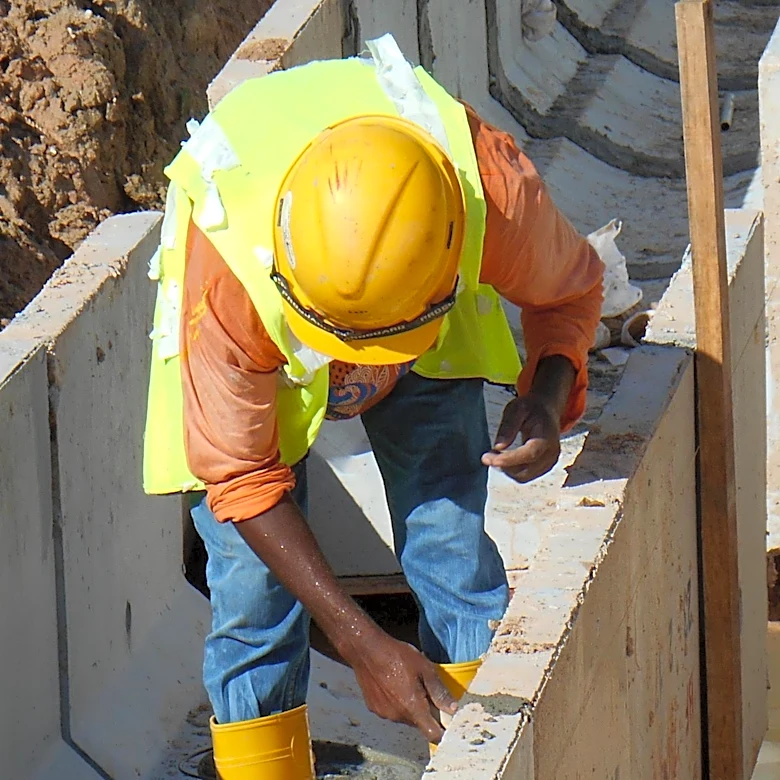
has resulted in underreported building maintenance liabilities and an increased risk of errors. The audit, part of the GSA OIG's Fiscal Year 2025 Audit Plan, aimed to determine if PBS effectively uses the BAT system to monitor building repair and maintenance costs. The OIG found that PBS did not consistently review existing data sources for repair and alteration costs when preparing some BAT surveys, leading to an underreporting of $73 million in costs across a sample of 196 buildings. Additionally, PBS did not consistently perform independent completeness and accuracy reviews of BAT surveys, further increasing the risk of undetected errors.
Why It's Important?
Accurate and reliable building maintenance liability data is critical for the GSA's financial reporting, long-term capital planning, and decisions regarding funding and prioritizing repairs across its extensive building portfolio. The identified inconsistencies in BAT system usage directly impact the integrity of this data, potentially leading to misallocation of resources, delayed essential repairs, and an incomplete picture of the federal government's real estate liabilities. With BAT surveys now conducted on a five-year cycle due to staffing reductions and reorganization in 2025, the importance of complete and accurate data is amplified, as outdated information poses a greater risk. Underreported liabilities can also affect future budget requests and the overall financial health of federal properties.
What's Next?
The GSA OIG has recommended several actions to the PBS Commissioner to address these issues. These recommendations include improving oversight of BAT surveys by ensuring surveyors and approvers have access to relevant building maintenance liability information in other systems (IRIS Prioritization of Asset Repair and IRIS Work Items modules). The OIG also suggests strengthening quality control procedures, incorporating reviews of this information into annual variance analyses, and requiring separate surveyors and approvers for each BAT survey. The PBS Acting Commissioner has agreed with these recommendations. Implementation of these changes will be crucial to ensure that the BAT system provides complete, accurate, and reliable information on the repair and maintenance needs of the GSA's building portfolio, thereby mitigating financial and operational risks.
Beyond the Headlines
This audit highlights a broader challenge within large government organizations: maintaining data integrity and consistent adherence to internal protocols, especially in the face of staffing changes and reorganizations. The underreporting of maintenance liabilities is not merely an accounting issue; it can have tangible consequences for the safety, functionality, and longevity of federal buildings. A lack of accurate data can lead to deferred maintenance, which often results in more costly repairs down the line and can impact the working environment for federal employees. The OIG's findings underscore the necessity of robust internal controls and independent verification processes to ensure accountability and effective stewardship of public assets, particularly in critical areas like infrastructure management.