



What's Happening?
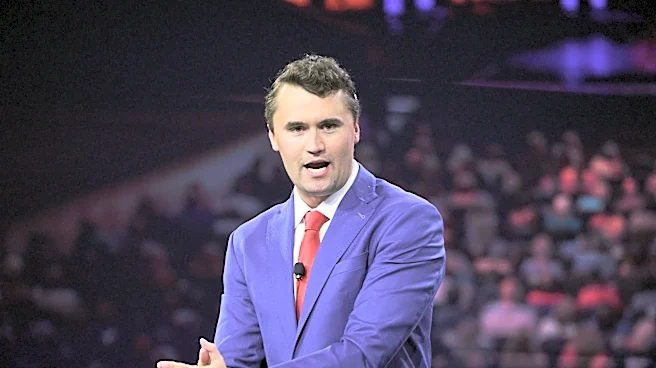
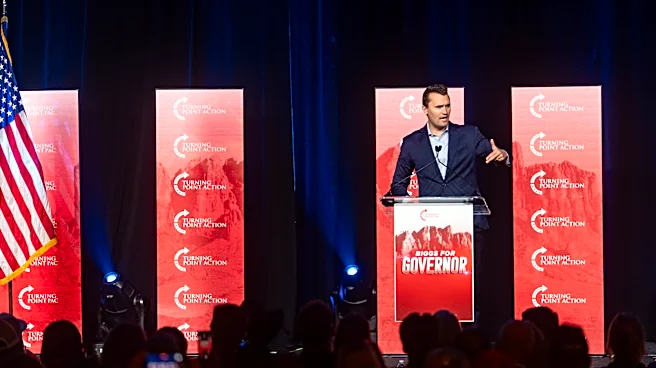
One year after the assassination of conservative activist and Turning Point USA co-founder Charlie Kirk at Utah Valley University on September 10, 2025, a wave of misinformation and conspiracy theories continues to circulate. Kirk, 31, was fatally shot
while speaking at an event. Immediately following his death, false claims emerged regarding the shooting being staged and the shooter's identity. As the legal process for the accused shooter, 23-year-old Tyler James Robinson, progresses—with a Utah judge finding sufficient evidence for a murder trial and prosecutors seeking the death penalty—more elaborate, unfounded narratives have gained traction. These theories include claims that Kirk's killing was an inside job orchestrated by TPUSA employees or his widow, Erika Kirk, or that Israel was behind the shooting due to Kirk's alleged shift in views on the country. Despite these persistent claims, law enforcement and medical examiner reports consistently attribute Kirk's death to a gunshot wound, with no credible evidence supporting any of the conspiracy theories.
Why It's Important?
The persistence and evolution of conspiracy theories surrounding Charlie Kirk's assassination highlight significant challenges in the contemporary information landscape, particularly within politically charged environments. The spread of misinformation, often amplified by social media and some conservative media personalities, demonstrates a growing divide within conservative movements, as noted by Whitney Phillips, a University of Oregon associate professor of information politics and media ethics. This phenomenon underscores how major national events can become fertile ground for unsubstantiated narratives, especially among audiences already inclined towards conspiracy-minded thinking, as suggested by University of Miami political science professor Joseph Uscinski. The inability of official reports and forensic evidence to fully quell these theories points to a broader erosion of trust in established institutions and a fragmentation of shared reality, impacting public discourse and potentially influencing political polarization.
What's Next?
The legal proceedings against Tyler James Robinson, who has pleaded not guilty to all charges, will continue, with prosecutors pursuing the death penalty. This trial will likely keep the details of Kirk's death in the public eye, potentially fueling further discussion and, for some, continued speculation. Meanwhile, the ongoing propagation of conspiracy theories is expected to persist, particularly within certain online communities and media outlets. The divide among conservative commentators regarding these theories may deepen, reflecting broader ideological fissures within the movement. Utah Valley University and its students will continue to navigate the aftermath of the tragic event, potentially facing ongoing discussions about campus security and the handling of high-profile events. The broader implications for how misinformation is addressed following national tragedies will remain a critical challenge for media, law enforcement, and the public.
Beyond the Headlines
The enduring conspiracy theories surrounding Charlie Kirk's death reveal deeper societal trends beyond the immediate facts of the case. The rapid generation of AI-created content, such as fake tribute songs and prematurely published books, demonstrates how emerging technologies can be weaponized to spread misinformation, blurring the lines between fact and fiction. The public sparring among conservative media personalities over these theories also signifies a fracturing within the conservative movement itself, where a unified narrative is increasingly difficult to maintain. This fragmentation can lead to a more chaotic and less coherent political discourse, making it harder for the public to discern truth. Furthermore, the readiness of some segments of the population to embrace elaborate, evidence-free narratives, even in the face of official denials and forensic evidence, points to a profound crisis of trust in traditional sources of information and authority, with long-term implications for democratic processes and social cohesion.