







What's Happening?
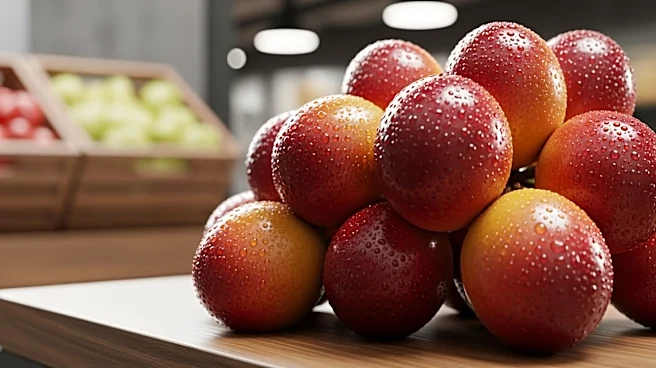
The American grocery-store produce aisle is experiencing a significant shift towards sweeter fruit varieties, driven by consumer demand for sugary flavors. Fruits like the Sumo Citrus, a mandarin-satsuma-orange hybrid, have become popular due to their
high sweetness levels, measured using the Brix scale. Companies such as Driscoll's and Fresh Del Monte are capitalizing on this trend with products like the Sweetest Batch berries and Honeyglow pineapples, which have seen substantial sales. This trend is not limited to branded fruits; even non-name-brand fruits are becoming sweeter over time. The shift is attributed to selective breeding practices aimed at enhancing sweetness, a quality that is increasingly prioritized in the market.
Why It's Important?
The trend towards sweeter fruits reflects broader changes in consumer preferences and agricultural practices. As consumers increasingly seek out sweet flavors, fruit producers are responding by developing varieties that cater to these tastes. This shift has significant implications for the agricultural industry, as it influences breeding practices and market strategies. The focus on sweetness also raises questions about the nutritional value of these fruits, as higher sugar content may impact health perceptions. Additionally, the trend highlights the role of scientific advancements in shaping food production, as selective breeding techniques are used to meet consumer demands.