
What's Happening?
President Trump is facing significant opposition from Senate Republicans over his proposed 'anti-weaponization' fund, which is part of a broader campaign finance overhaul. The fund, intended to compensate
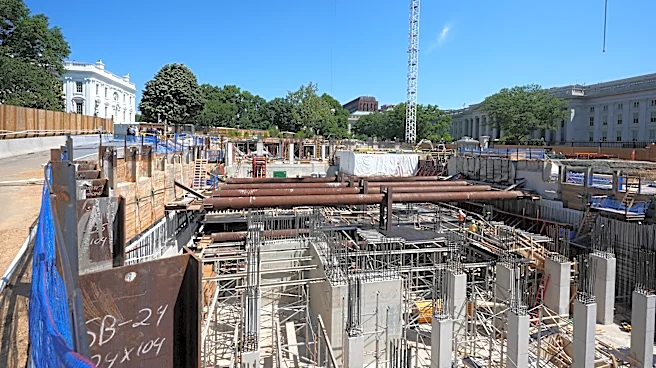
individuals involved in the January 6 Capitol riot, has been criticized by GOP leaders as politically toxic. The fund was established as part of a settlement from a lawsuit Trump filed against the IRS. Additionally, Trump's request for funding to secure his White House ballroom has further strained relations with congressional Republicans. This situation has created a potential political problem for Trump as the GOP seeks to maintain its majorities in Congress.
Why It's Important?
The clash between President Trump and Senate Republicans over the 'anti-weaponization' fund highlights a growing rift within the GOP. This internal conflict could have significant implications for the party's ability to present a united front in the upcoming midterm elections. The fund's controversial nature and the associated political fallout may weaken the GOP's position, potentially affecting their electoral prospects. Furthermore, the situation underscores the challenges of balancing party loyalty with political pragmatism, as GOP leaders navigate the complexities of supporting Trump while addressing broader electoral concerns.
What's Next?
As the midterm elections approach, the GOP faces the challenge of reconciling internal divisions and addressing the political ramifications of the 'anti-weaponization' fund. Senate Republicans may seek to modify the fund to make it more politically acceptable, possibly by restricting compensation to individuals involved in the January 6 riot. However, the White House has indicated it may not accept such changes. The ongoing tension between Trump and the GOP could lead to further legislative challenges, particularly concerning Trump's immigration bill and other key policy initiatives.