







What's Happening?
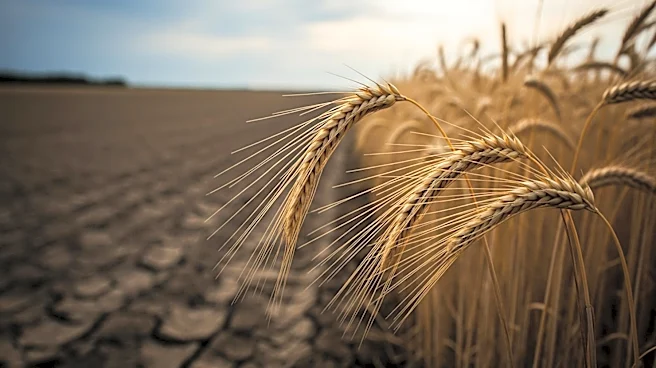
Ukrainian President Volodymyr Zelensky has condemned Israel for purchasing grain from territories in Ukraine occupied by Russia, labeling the trade as illegitimate. Zelensky announced that Ukraine is preparing sanctions against those profiting from the trade of what
he describes as 'stolen' grain. The controversy arose after a Russian vessel carrying such grain docked in Haifa, prompting Ukraine to summon the Israeli ambassador for a formal protest. Zelensky emphasized that the trade violates Israeli law and urged Israel to reconsider its actions to maintain friendly bilateral relations.
Why It's Important?
This development is significant as it highlights the complexities of international relations and trade during ongoing conflicts. The purchase of grain from occupied territories not only impacts Ukraine's economy but also poses legal and ethical challenges for Israel. The situation could lead to diplomatic strains between Israel and Ukraine, potentially affecting their cooperation in other areas. It also underscores the broader issue of resource exploitation in conflict zones and the role of international law in regulating such activities.
What's Next?
Ukraine is set to implement a sanctions package targeting individuals involved in the trade of the disputed grain. The Ukrainian government plans to work with European partners to ensure these individuals are included in European sanctions regimes. Israel may need to engage in diplomatic discussions to address the allegations and prevent further deterioration of relations with Ukraine. The international community will likely keep a close watch on the situation, as it could influence future policies on trade and conflict resolution.
Beyond the Headlines
The incident raises broader questions about the enforcement of international trade laws and the responsibilities of countries in preventing the trade of goods obtained through illegal means. It also highlights the potential for economic warfare as a tool in geopolitical conflicts, where resources like grain become leverage points. The situation may prompt discussions on improving transparency and accountability in global supply chains, especially in conflict zones.