




What's Happening?
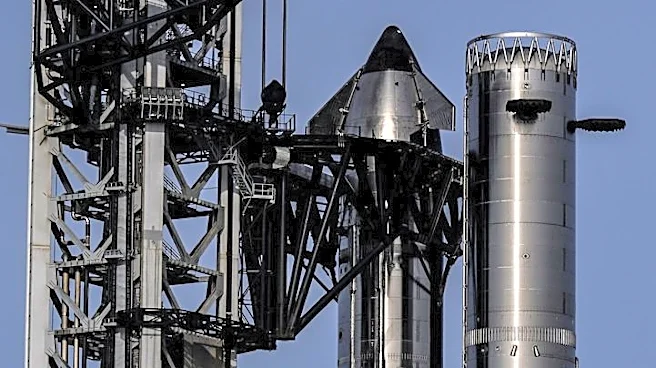
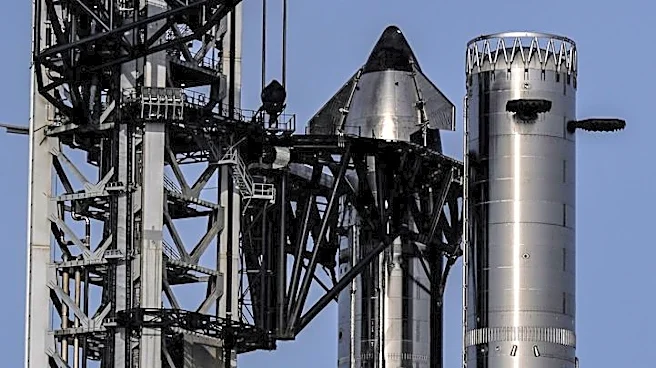
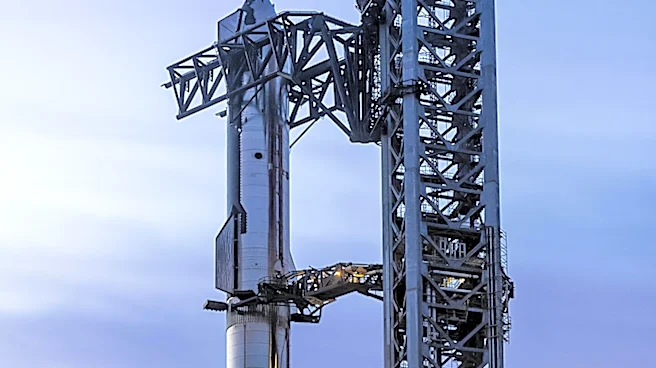
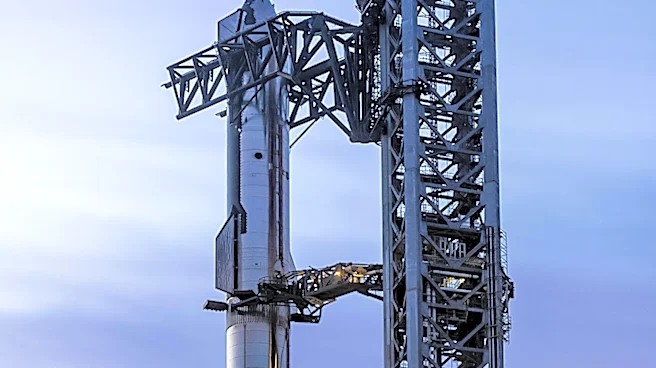
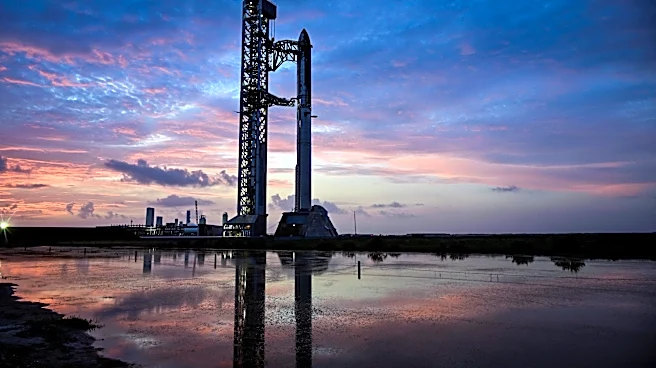
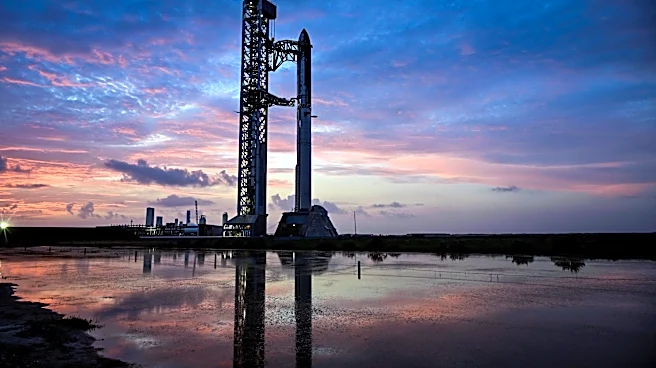
SpaceX has successfully conducted its 13th Starship test flight, deploying functioning Starlink V3 satellites for the first time. The launch took place from SpaceX's facility in Texas, with the Starship upper stage performing a reentry and soft splashdown
in the Indian Ocean. This mission marks a significant milestone as it tested fixes to previous issues and carried operational satellites instead of mass simulators. The test also included a relight of a Raptor engine and successful communication tests with the deployed satellites.
Why It's Important?
This successful test flight represents a critical step forward for SpaceX's Starship program, which aims to develop a fully reusable spacecraft for missions to the Moon, Mars, and beyond. The deployment of functioning satellites demonstrates the vehicle's capability to carry and deploy payloads, a key requirement for its commercial and scientific missions. The data collected from this flight will inform future developments and improvements, bringing SpaceX closer to achieving its ambitious goals of space exploration and satellite deployment.
What's Next?
SpaceX plans to analyze the data from this test flight to refine the Starship design and address any remaining issues. The company may proceed with further test flights, including the first orbital mission, as it continues to develop the vehicle for operational use. The success of these tests will be crucial for SpaceX's plans to support NASA's Artemis program and other commercial space ventures. The company will also focus on enhancing the reliability and performance of the Starship to meet the demands of future missions.