



What's Happening?
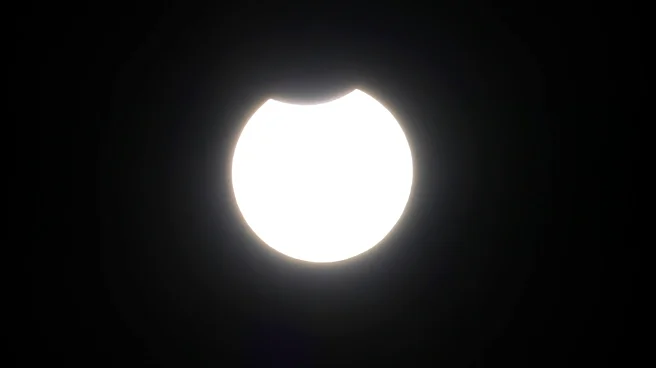
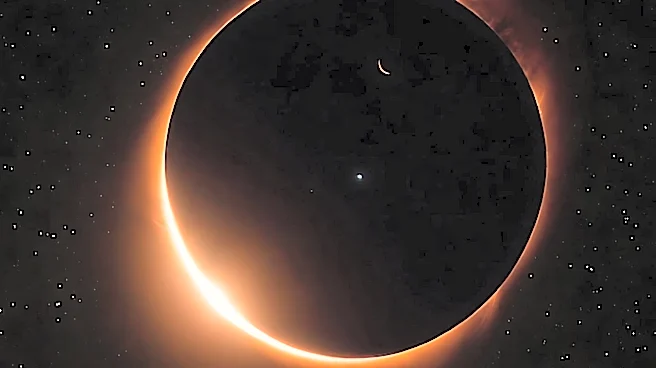
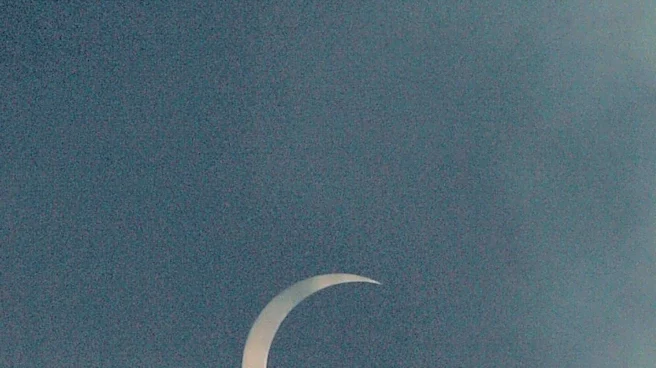
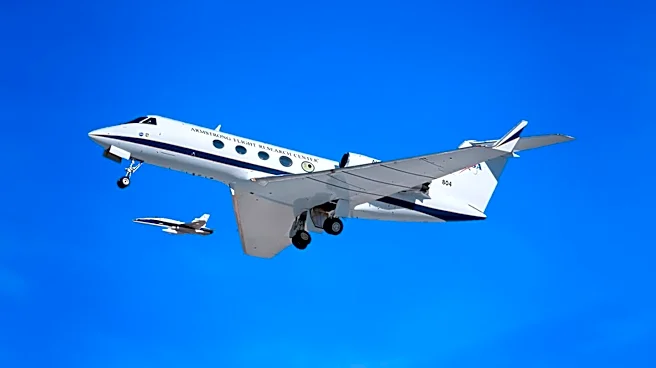
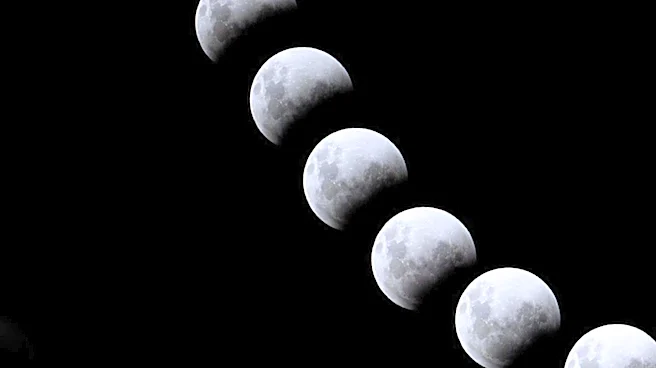
NASA is employing three WB-57 aircraft, originally B-57B bombers, to study solar eclipses and gather data on solar dynamics. These aircraft, which have been repurposed for scientific research, will follow the shadow of the Moon during an upcoming solar eclipse on August
12. The mission aims to capture high-resolution images of the solar corona and study the effects of the eclipse on Earth's atmosphere. The WB-57 aircraft are equipped with advanced cameras capable of capturing images in various wavelengths, providing valuable insights into solar phenomena.
Why It's Important?
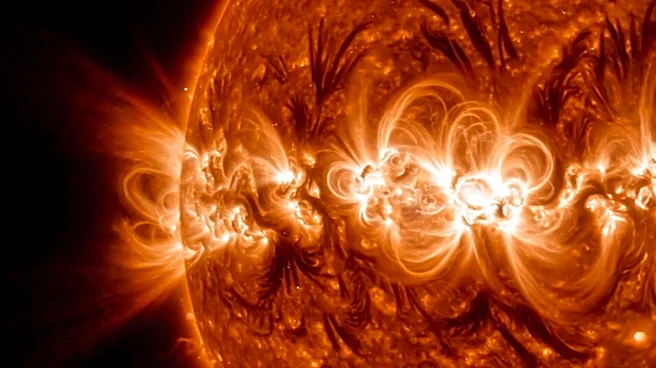
This research is significant for understanding solar dynamics, including the formation of solar prominences and the heating of the solar corona. The data collected could enhance our knowledge of solar activity and its impact on space weather, which can affect satellite operations and communication systems on Earth. The use of high-altitude aircraft allows for extended observation periods, providing a more comprehensive view of the eclipse than ground-based observations. This mission also highlights NASA's innovative use of existing technology for scientific advancement.
What's Next?
Following the eclipse, NASA will analyze the data collected to improve models of solar behavior and its interaction with Earth's atmosphere. The findings could inform future missions and contribute to the development of technologies to mitigate the effects of space weather. Additionally, NASA plans to continue using the WB-57 aircraft for similar research missions, potentially expanding their role in atmospheric and space studies.