








What's Happening?
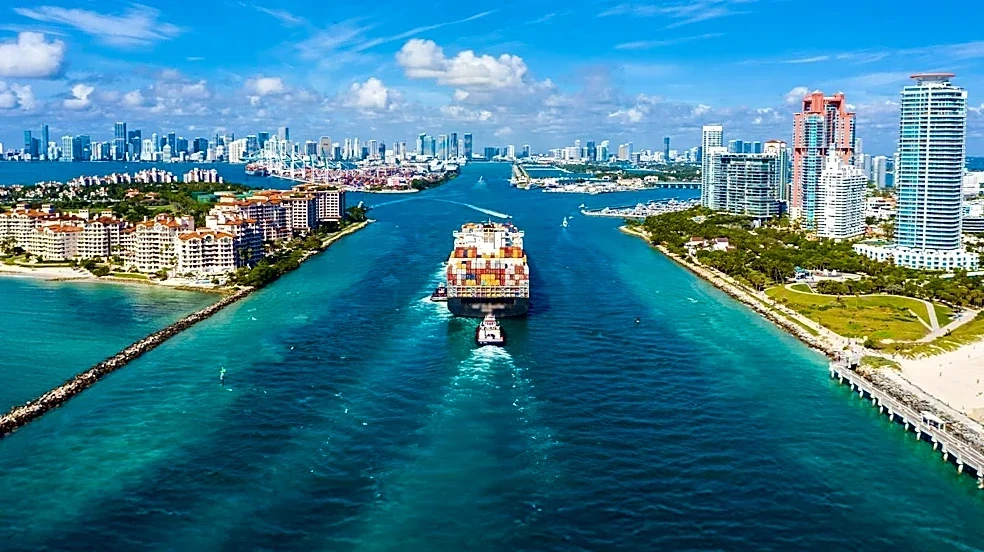
PortMiami is enhancing its traffic management strategies in anticipation of the 2026–2027 cruise season, which is projected to be its busiest. The port is partnering with GridMatrix to utilize AI-powered computer vision tools for monitoring traffic patterns
and predicting bottlenecks. This technology will inform traffic management decisions and improve coordination during peak periods. With 81 high-traffic days expected, bringing seven to ten cruise ships and up to 80,000 passengers daily, effective traffic flow is critical. PortMiami is also coordinating with the PortMiami Tunnel team, cruise lines, cargo companies, and transportation services to provide clearer directional guidance. Travelers to Terminals AA through D will use the tunnel, while those heading to Terminals E through V will use the PortMiami Bridge. Designated staging areas for transportation providers are also being implemented to reduce congestion. Additionally, PortMiami, the Miami-Dade Sheriff’s Office, and the City of Miami Police Department will provide enhanced on-the-ground support for traffic management.
Why It's Important?
The implementation of advanced traffic management systems at PortMiami is crucial for maintaining the economic vitality of Miami-Dade County while minimizing disruption to local residents and businesses. As the world's busiest cruise port, efficient operations are essential for the tourism industry, which is a significant economic driver for the region. Unmanaged traffic congestion can deter visitors, impact local commerce, and reduce the quality of life for commuters. By leveraging AI and improving coordination, PortMiami aims to ensure smooth access for millions of cruise passengers, which directly supports jobs and revenue in the hospitality, retail, and transportation sectors. The success of these measures will demonstrate how technology can be applied to urban infrastructure challenges, potentially serving as a model for other major transportation hubs facing similar growth pressures. This initiative also highlights the increasing reliance on data-driven solutions to manage complex logistical operations in urban environments.
What's Next?
PortMiami will continue to refine its traffic management strategies throughout the 2026–2027 cruise season, adapting to real-time data and evolving travel patterns. The port is launching two educational videos, 'Arrive at Your Embarkation Time' and 'Choose the Right Entrance,' to help passengers plan their arrival and navigate the port more efficiently, aiming to reduce unnecessary backups. Furthermore, new and ongoing partnerships with cruise lines will offer complimentary airport shuttle transfers on select dates for specific trips. This initiative provides passengers with alternative transportation options and aims to reduce the number of personal vehicles entering the port during peak hours. The effectiveness of these combined strategies will be continuously evaluated, with potential adjustments made to optimize traffic flow and minimize community impact. The long-term goal is to ensure PortMiami remains a major economic engine for Miami-Dade County without compromising the experience of residents, businesses, and visitors.
Beyond the Headlines
The adoption of AI-powered computer vision for traffic management at PortMiami signifies a broader trend towards smart city infrastructure and data-driven urban planning. This move reflects a growing recognition that traditional traffic management methods are insufficient for rapidly expanding urban centers and major transportation hubs. Beyond immediate traffic relief, the data collected by these AI systems could provide valuable insights into long-term traffic patterns, infrastructure needs, and even environmental impacts related to vehicle emissions. This proactive approach to urban logistics could lead to more sustainable and resilient city planning. However, it also raises questions about data privacy and the ethical implications of widespread surveillance, even if anonymized, for public infrastructure management. The success of this project could encourage further investment in AI and smart technologies across various public services, transforming how cities manage resources and services in the future.