



What's Happening?
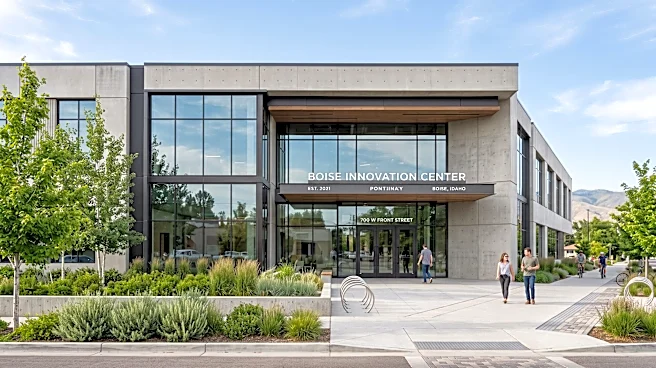
Interfaith Sanctuary Shelter Home has moved from its previous location on Americana Boulevard in downtown Boise to a new, upgraded facility on State Street. This relocation, which occurred last February, followed years of discussions and pushback from a neighborhood
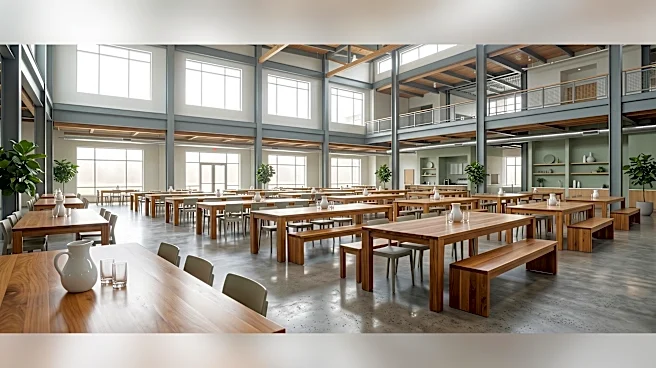
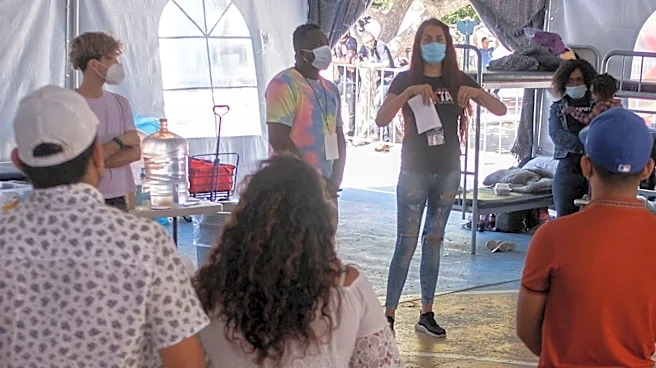
association regarding the shelter's presence in the area. The new facility is significantly larger, spanning 42,500 square feet, which is four times the size of the former shelter. It boasts 212 beds, allowing it to accommodate more guests, including families with children. The expanded amenities include a full kitchen, laundry facilities, a library, a mailroom, a recovery center, and a medical clinic. Director Jodi Peterson-Stigers highlighted that a key improvement is that guests are no longer required to leave the building during the day, a change that has profoundly impacted their ability to address complex issues. The project, costing $18.6 million, was entirely funded by individual donors and foundations, receiving no public funding.
Why It's Important?
The relocation and expansion of the Interfaith Sanctuary Shelter Home represent a significant advancement in addressing homelessness in Boise, Idaho. The increased capacity and comprehensive on-site services, such as a medical clinic, recovery center, and case management team, are crucial for providing holistic support to unhoused individuals. The ability for guests to remain in the facility throughout the day is particularly impactful, as it fosters a sense of stability and allows individuals to focus on long-term solutions rather than daily survival. This shift from a crisis-oriented approach to one that supports recovery, mental health, and job seeking can lead to more sustainable outcomes. The fact that the entire $18.6 million project was funded through private donations underscores the strong community support for addressing homelessness and highlights the role of non-profits and private citizens in filling gaps where public funding may be insufficient. This model of privately funded, comprehensive shelter services could serve as an example for other U.S. cities grappling with similar challenges.
What's Next?
With the new facility operational, Interfaith Sanctuary Shelter Home will continue its mission to help unhoused individuals find stability and permanent housing. The enhanced services, including on-site case management, are expected to further improve the success rate of residents transitioning out of homelessness. As of last week, the program has already assisted 103 individuals in finding homes, demonstrating the immediate positive impact of the upgraded facility. However, the shelter still faces significant demand, with 338 people currently on its waiting list. This indicates a continued need for resources and support to address the broader issue of homelessness in Boise. The organization will likely focus on maximizing the utilization of its new amenities, refining its programs, and potentially seeking ongoing private funding to sustain its operations and expand its reach to serve more individuals on the waiting list.
Beyond the Headlines
The successful relocation and expansion of Interfaith Sanctuary Shelter Home illuminate a critical aspect of community-led solutions to social issues. The initial resistance from a neighborhood association, followed by the eventual realization of a larger, more comprehensive facility, reflects the complex dynamics often at play when addressing homelessness in urban areas. This project demonstrates that with persistent effort, private funding, and a clear vision, significant progress can be made even in the face of community concerns. The emphasis on creating a 'home-like' environment where individuals are not in 'survival mode' but can actively work on their recovery and mental health speaks to a more dignified and effective approach to homelessness. This model challenges traditional perceptions of shelters and highlights the importance of providing not just a bed, but a supportive ecosystem that empowers individuals to rebuild their lives. The success of this privately funded initiative could inspire other communities to explore similar collaborative approaches, leveraging local philanthropy and non-profit expertise to tackle pressing social challenges.