

What's Happening?
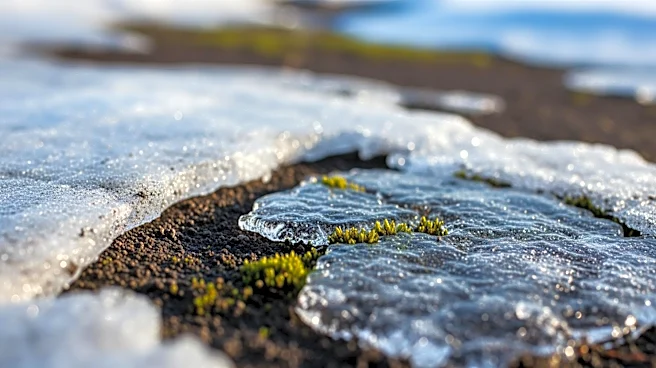
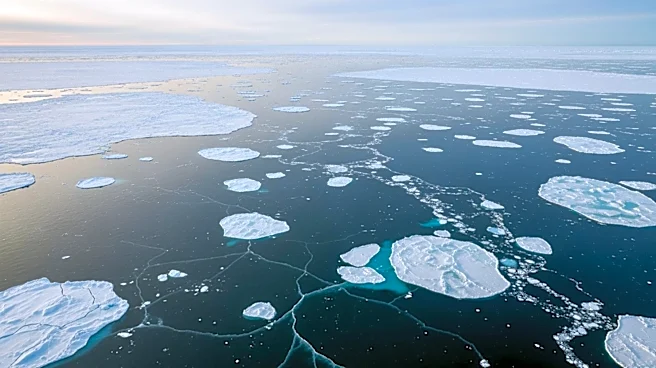
A study led by geoscientist Michael Rawlins from the University of Massachusetts Amherst highlights significant environmental changes in Alaska due to thawing permafrost. The research focuses on Alaska's North Slope, where thawing is altering waterways
and increasing carbon export. The study uses the Permafrost Water Balance Model to simulate changes over 44 years, revealing extended thawing seasons and increased dissolved organic carbon (DOC) in rivers. These changes affect the Arctic ecosystem, with implications for global warming and coastal estuaries.
Why It's Important?
The thawing of permafrost in Alaska is a critical indicator of climate change, impacting local ecosystems and contributing to global carbon cycles. The release of ancient carbon into rivers exacerbates global warming, affecting weather patterns and sea levels. Understanding these changes is vital for developing strategies to mitigate climate impacts and protect Arctic biodiversity. The study provides valuable data for researchers and policymakers, emphasizing the need for comprehensive climate action and conservation efforts.
What's Next?
Researchers will continue to investigate the effects of thawing permafrost on water and carbon flow in Alaska. This includes studying the impact on coastal ecosystems and the potential for further carbon release. The findings may influence climate policy and conservation strategies, prompting increased monitoring and research funding. Stakeholders, including environmental groups and government agencies, will likely engage in discussions on mitigating the impacts of climate change in the Arctic region.