






What's Happening?
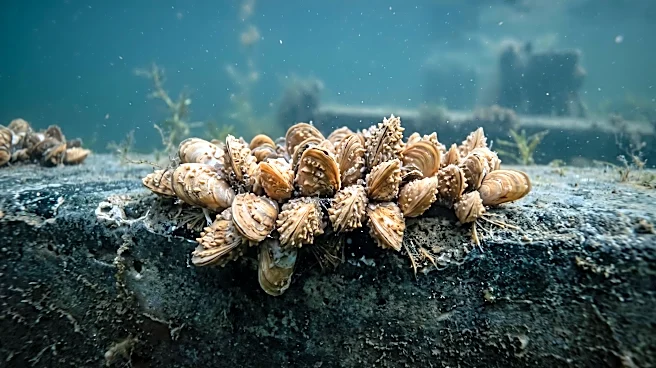
San Joaquin County lawmakers, including U.S. Rep. Josh Harder, D-Tracy, and Assemblymember Rhodesia Ransom, D-Tracy, are advocating for expanded state and federal efforts to combat invasive golden mussels. These mussels pose a significant threat to the
Sacramento-San Joaquin Delta and the region's waterways. During a discussion at Hilton Stockton with water managers and stakeholders, the lawmakers emphasized the urgency of addressing the infestation. Golden mussels were first detected in North America in October 2024 near the Port of Stockton. The California Department of Fish and Wildlife has identified these invasive species as posing environmental, recreational, and economic risks, including competing with native fish, contributing to harmful algal blooms, disrupting recreation, and clogging water infrastructure. Assemblymember Ransom has already secured $20 million in state funding and an additional $6 million for Delta decontamination sites, and authored Assembly Bill 2032, the Golden Mussel Response Act, which allows water agencies to perform necessary maintenance without additional permits. Rep. Harder has introduced federal legislation, the Golden Mussel Eradication and Control Act, which aims to establish a rapid-response program, invest in new technology and inspection stations, and improve inter-agency coordination.
Why It's Important?
The spread of invasive golden mussels in the Sacramento-San Joaquin Delta has profound economic and environmental implications for California and potentially the entire U.S. The Delta is a critical resource for California's agricultural industry, which generates over $50 billion annually and relies heavily on these waterways. Infestations can lead to reduced water flow, impacting agricultural production, water deliveries to homes, and flood control. Economically, the mussels can clog infrastructure, damage boats and hydroelectric facilities, leading to costly repairs and operational disruptions. Environmentally, they disrupt ecosystems by competing with native species and contributing to harmful algal blooms. The lawmakers' push for federal investment and coordinated action highlights the national significance of this issue, as delaying action could make the infestation more expensive and difficult to manage in the long term. The efforts to educate the public are also crucial, as widespread awareness is necessary for effective prevention and control.
What's Next?
Rep. Harder's federal legislation, the Golden Mussel Eradication and Control Act, has had a congressional hearing but still requires approval from Congress to become law. The focus will be on securing its passage to enable greater federal investment in surveillance, research, and decontamination efforts. Lawmakers also aim to prevent new infestations and develop more effective control strategies. A key next step involves establishing a centralized system for collecting research findings to avoid duplicating work and identify effective strategies, with UC Davis being a priority for coordinated research. Public education and outreach will continue to be vital to raise awareness beyond the Delta region, as the problem could affect communities nationwide. The goal is to shift from a defensive stance to proactive containment and control, with the hope of reducing new infestations and implementing control plans across affected water districts within the next year, even if complete eradication remains a long-term challenge.
Beyond the Headlines
The fight against invasive species like the golden mussel highlights a broader challenge of ecological security and the interconnectedness of natural and economic systems. The emphasis on cooperation among local, state, and federal agencies, as well as the private sector, underscores the complexity of environmental issues that transcend traditional jurisdictional boundaries. The economic stakes extend beyond immediate costs, touching upon the long-term sustainability of California's agricultural sector and the reliability of its water infrastructure. Ethically, the issue raises questions about human responsibility in preventing the introduction and spread of invasive species and the balance between economic development and environmental protection. The call for increased research and technological investment also points to the need for scientific solutions to complex ecological problems, emphasizing the role of innovation in safeguarding natural resources and economic stability.