







What's Happening?
Iran has once again closed the Strait of Hormuz, a critical waterway for global oil transportation, in response to the United States' continued blockade of Iranian ports. This strategic move by Iran is a significant escalation in the ongoing tensions
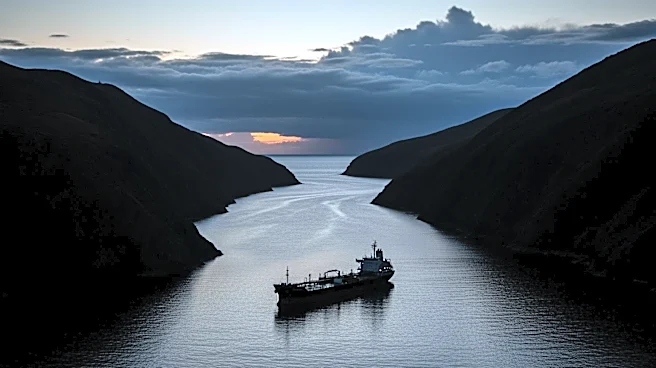
between the two nations. The Strait of Hormuz is a vital passage for the global oil supply, with a significant portion of the world's petroleum passing through it. Iran's decision to block the strait is seen as a direct retaliation against U.S. sanctions and port blockades, which have severely impacted Iran's economy. The closure of this waterway has left numerous vessels stranded, causing disruptions in international shipping and raising concerns over potential increases in global oil prices.
Why It's Important?
The closure of the Strait of Hormuz by Iran has far-reaching implications for global trade and energy markets. As a major conduit for oil shipments, any disruption in the strait can lead to significant fluctuations in oil prices, affecting economies worldwide. The move underscores the fragile nature of geopolitical relations in the region and highlights the potential for further escalation between Iran and the United States. For the U.S., this development could lead to increased pressure on domestic energy prices and complicate diplomatic efforts in the Middle East. Additionally, the situation poses a risk to global economic stability, as prolonged disruptions in oil supply chains could lead to broader economic consequences.
What's Next?
The international community is likely to respond with diplomatic efforts to de-escalate the situation and reopen the Strait of Hormuz. The United States and its allies may seek to negotiate with Iran to lift the blockade, potentially offering concessions or easing certain sanctions. Meanwhile, shipping companies and oil producers will need to explore alternative routes and contingency plans to mitigate the impact of the closure. The situation also presents an opportunity for increased dialogue between Iran and the U.S., although the path to resolution remains uncertain. Monitoring the developments in this geopolitical standoff will be crucial for stakeholders in the energy and shipping industries.