










What's Happening?
The New York City Department of Health has reported a significant outbreak of Legionnaires' disease on the Upper East Side, with 23 confirmed cases as of Monday night. This marks a substantial increase from the initial 14 cases reported on Sunday. Health Commissioner
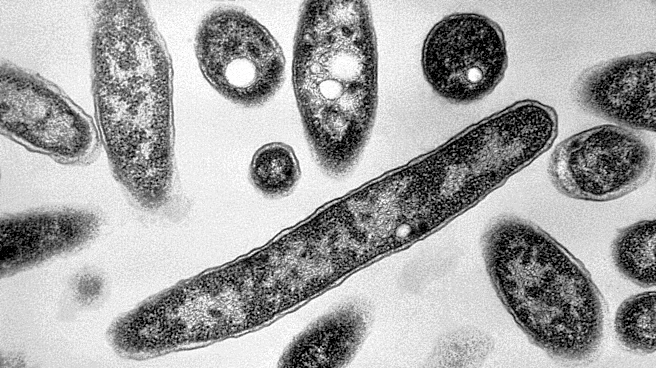
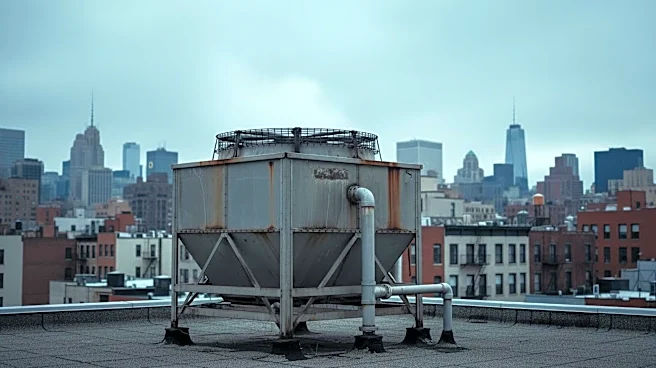
Dr. Alister Martin stated that many of the affected individuals are currently hospitalized, with some in critical condition. The outbreak is believed to be linked to a cooling tower in the area, and health officials are actively testing 160 cooling towers to identify the source. The disease, which is not contagious, spreads through contaminated water vapor and can be treated with antibiotics. However, it poses a higher risk to individuals over 50, smokers, and those with chronic lung conditions or weakened immune systems.
Why It's Important?
The outbreak of Legionnaires' disease in a densely populated area like the Upper East Side of New York City raises significant public health concerns. The rapid increase in cases highlights the need for effective monitoring and maintenance of cooling towers, which are potential breeding grounds for the Legionella bacteria. This situation underscores the importance of stringent public health regulations and the need for building owners to comply with testing requirements. The outbreak also serves as a reminder of the vulnerabilities in urban infrastructure that can lead to public health crises. The city's response, including increased funding for inspections and community engagement, aims to prevent further spread and protect vulnerable populations.
What's Next?
Health officials are continuing their efforts to test and remediate cooling towers in the affected area to prevent further cases. The city has implemented laws requiring regular inspections of cooling towers, and there is a push for state-level legislation to ensure consistent disinfectant levels in water systems. The outcome of these efforts will be closely monitored, and further actions may be taken based on the findings. Public health authorities are urging residents in the affected ZIP codes to seek medical attention if they experience flu-like symptoms. The situation remains dynamic, and updates from health officials will be crucial in managing the outbreak.