




What's Happening?
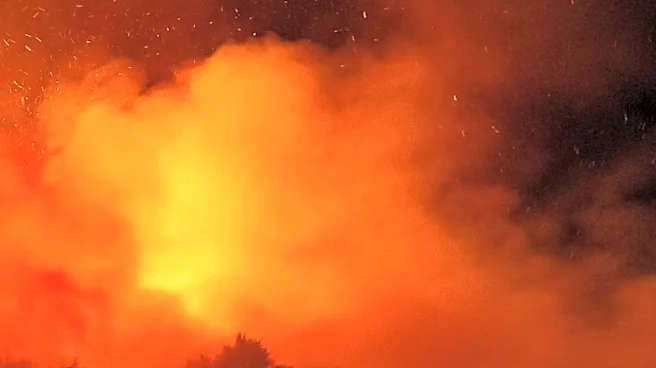
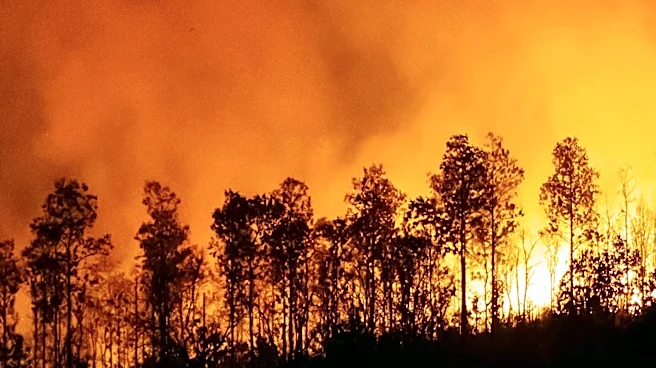
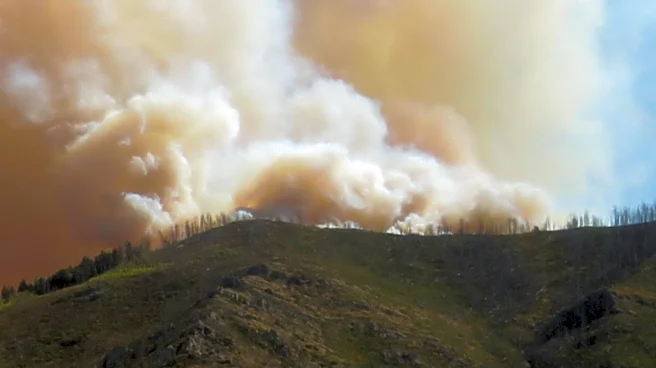
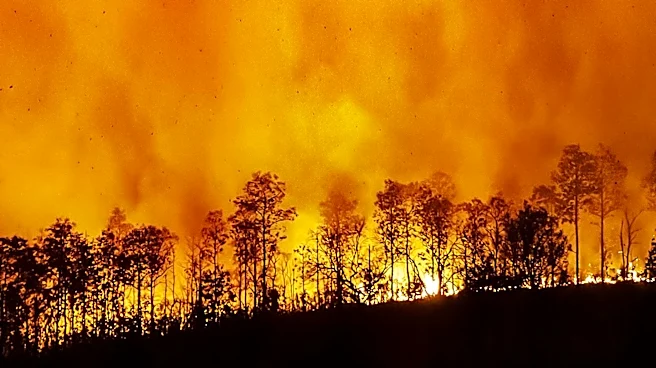
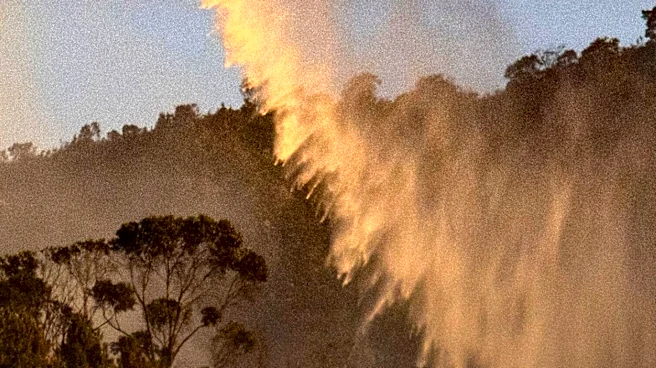
Western Europe is experiencing severe heatwaves, which are significantly impacting the region's economy. The extreme weather has led to wildfires in France and Spain, burning 300,000 acres and forcing mass evacuations. These conditions are straining various
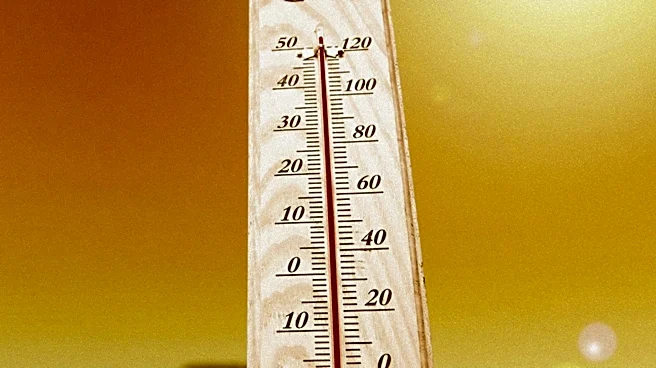
sectors, including healthcare, transportation, agriculture, and insurance. The heatwaves are disrupting businesses, reducing productivity, and increasing costs, with economists warning of potential long-term economic risks. The World Meteorological Organization reports that Europe has seen an increase in wildfire potential and an extended fire season, with the current heatwave being the third in six weeks.
Why It's Important?
The economic impact of heatwaves in Europe highlights the broader challenges posed by climate change. Rising temperatures and extreme weather events can lead to significant economic losses, affecting GDP, food prices, and insurance costs. The situation underscores the need for urgent climate adaptation measures to mitigate these impacts and enhance resilience. The increased frequency of heatwaves also poses a risk to public health and safety, necessitating investments in infrastructure and emergency response systems. The economic strain from climate-related events could influence policy decisions and drive investments in sustainable solutions.
What's Next?
As Europe continues to face extreme weather, governments and businesses are likely to prioritize climate adaptation strategies. This may include investing in infrastructure to withstand heatwaves, enhancing emergency response capabilities, and implementing policies to reduce carbon emissions. The insurance industry may also need to adjust to the increased risk of climate-related events, potentially leading to higher premiums and changes in coverage. The ongoing situation could prompt further discussions on climate policy at both national and international levels, emphasizing the need for coordinated efforts to address climate change.