



What's Happening?
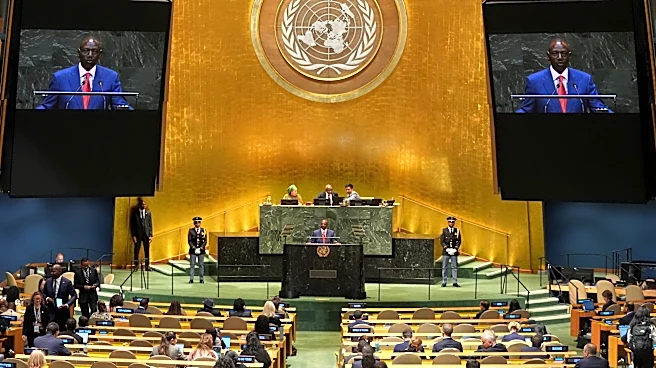
UN Secretary-General António Guterres has launched the Global Grids Accelerator, an initiative designed to expedite investment in electricity infrastructure across Africa and South-East Asia. This program aims to transform governmental and regional clean
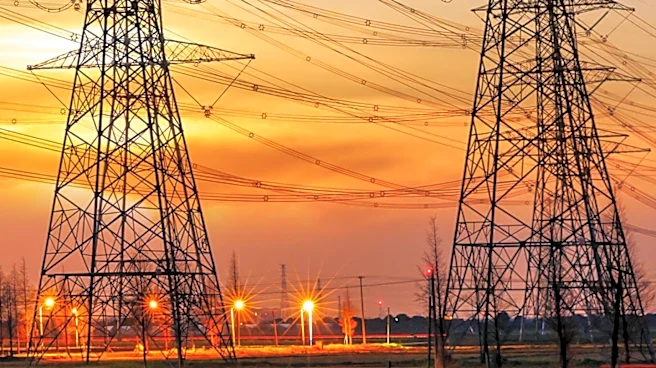
energy priorities into viable, operational projects. The Accelerator addresses a critical bottleneck in the global energy transition: while renewable power deployment is rapidly increasing, the necessary grid infrastructure to connect and transmit this electricity is lagging. Currently, over 2,500 gigawatts of renewable energy projects globally are stalled due to grid connection issues, a capacity nearly double that of the entire U.S. electricity generation. The initiative will bring together policy expertise, project preparation, finance, and implementation support to help developing countries advance grid investments, expand electricity access, and foster green industrialization. It seeks to enable these nations to fully realize the development benefits of the clean energy transition, including job creation, economic growth, and enhanced energy security.
Why It's Important?
The Global Grids Accelerator is crucial for the U.S. and global clean energy transition because it targets a fundamental challenge: the inadequacy of existing electricity grids to handle the influx of renewable energy. While the U.S. is also grappling with grid modernization, the initiative's focus on Africa and South-East Asia highlights the interconnectedness of global energy systems and climate goals. By strengthening grids in developing nations, the Accelerator can prevent delays in new power generation, support industrial growth, and expand access to reliable and affordable electricity, which are essential for global economic stability and climate action. The U.S. has a vested interest in a stable global energy market and the mitigation of climate change, both of which are advanced by robust clean energy infrastructure worldwide. Furthermore, the initiative's emphasis on turning long-term plans into investable projects could inform strategies for accelerating infrastructure development in the U.S. and other developed nations.
What's Next?
The Global Grids Accelerator will focus on coordinating support across the United Nations system and engaging with Member States, regional institutions, multilateral development banks, and international organizations. It will work with partners like the African Development Bank, the Asian Development Bank, and the World Bank to mobilize policy, technical, financing, and implementation capabilities. The initiative will support country-identified grid priorities, spanning policy and planning, project preparation, finance and investment, and implementation. Key milestones are expected to be set through the thirty-first session of the Conference of the Parties to the United Nations Framework Convention on Climate Change (COP31) and into 2027. The success of the Accelerator will depend on its ability to overcome policy, regulatory, and institutional constraints, and to effectively connect projects with affordable finance and delivery capacity, ultimately aiming to expand electricity access and power growth in developing countries.
Beyond the Headlines
The Global Grids Accelerator underscores a deeper, systemic issue in the global energy transition: the disparity between rapid technological advancements in renewable energy generation and the slower pace of infrastructure development. This mismatch not only impedes climate goals but also exacerbates energy poverty and hinders economic development in many parts of the world. The initiative's focus on developing countries highlights the ethical imperative of ensuring a 'just transition' that benefits all nations, particularly those most vulnerable to climate change and energy insecurity. Beyond the technical and financial aspects, the Accelerator represents a significant effort in international cooperation, aiming to bridge gaps in expertise and resources. Its success could set a precedent for how global challenges, such as climate change and sustainable development, are addressed through coordinated, multi-stakeholder approaches, potentially influencing future U.S. foreign policy and international aid strategies related to energy and infrastructure.