






What's Happening?
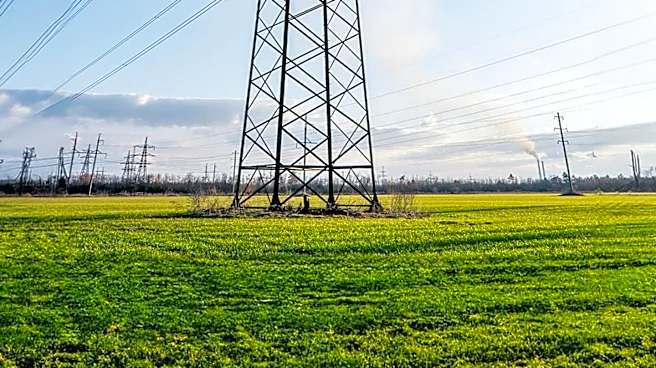
The Public Utility Commission of Texas has unanimously approved the buildout of over 400 miles of new transmission lines in West Texas. This decision, which includes amendments to two Certificates of Convenience and Necessity (CCN) filed by Oncor, aims
to deliver much-needed electricity to the oil and gas and industrial manufacturing industries in the Permian Basin. The approved projects are the first proposals from the Permian Basin Reliability Plan, passed by lawmakers in 2023, to receive regulatory clearance. The plan involves constructing 765-kilovolt transmission lines, which are larger than any currently in Texas, spanning at least 30 counties. This approval comes despite significant opposition from landowners along the proposed routes and calls from some Texas Senate and House members to delay the decision for legislative reform of the approval process. The commission, however, sided with Oncor, stating the company met legal requirements, while acknowledging the personal impact on landowners.
Why It's Important?
This decision is crucial for addressing a long-standing energy bottleneck in West Texas, a region vital for U.S. oil and gas production. Industry leaders, including the Texas Oil and Gas Association, have emphasized the immediate need for increased electricity to support operations and prevent potential rolling outages. The lack of dependable power has forced some companies to generate their own electricity, highlighting the current grid's inadequacy. The new transmission lines are expected to alleviate this strain, ensuring continued energy security and supporting the growth of the industrial manufacturing sector. However, the project faces strong opposition from landowners concerned about the environmental impact, property rights infringement, and the visual intrusion of 160-foot towers on their land. The debate also touches on the broader political landscape, with some lawmakers and advocacy groups questioning the necessity and the process of approving such large-scale infrastructure projects, particularly given the potential cost to residential consumers and the environment.
What's Next?
Barring successful legal challenges, the approved transmission companies, including Oncor, can now proceed with obtaining land easements, surveying, and constructing the new lines. The Public Utility Commission has directed Oncor to work with landowners to identify the least disruptive local paths for the project. However, opponents, including various landowner groups and some state legislators, have indicated their intent to continue fighting the decision. Texas Attorney General Ken Paxton has also filed an amicus brief supporting landowners' legal challenges, suggesting potential ongoing legal battles. The approval of these two projects also increases the likelihood that other proposed lines within the larger Permian Basin Reliability Plan will be approved. The controversy is expected to remain a significant political issue, with rural voters potentially mobilizing against officials perceived as not representing their interests in the upcoming elections.
Beyond the Headlines
The approval of these transmission lines highlights a growing tension between economic development, particularly in the energy sector, and environmental and property rights concerns in Texas. The use of 765-kilovolt lines, a first for the state, signifies a major shift in infrastructure scale and raises questions about long-term land use and ecological impact. The debate also underscores the challenges of balancing the needs of critical industries with the concerns of local communities and the environment. The political divide on this issue, with industry leaders advocating for rapid expansion and landowners and some legislators pushing for more careful consideration and reform, reflects broader national discussions about infrastructure development, energy policy, and the role of state regulatory bodies. The outcome of these projects could set precedents for future large-scale infrastructure initiatives across the U.S., influencing how economic imperatives are weighed against local impacts and environmental stewardship.