





What's Happening?
The Bureau of Land Management (BLM) has put forth a controversial proposal that would significantly alter the process for oil and gas leasing on split-estate lands. Currently, the BLM requires companies interested in extracting underground minerals to
identify surface landowners who may be impacted, and the agency then notifies these landowners, often ranchers, directly. The proposed changes would eliminate this landowner notification requirement. Additionally, the proposal seeks to reduce the public input period for all leasing from three 30-day periods to a single 10-day period, effectively cutting the initial scoping and environmental review comment periods and shortening the final protest window by two-thirds. These changes would apply to oil, gas, and other subterranean natural resources managed by the agency. The public comment window for these proposed changes is set to close on August 24.
Why It's Important?
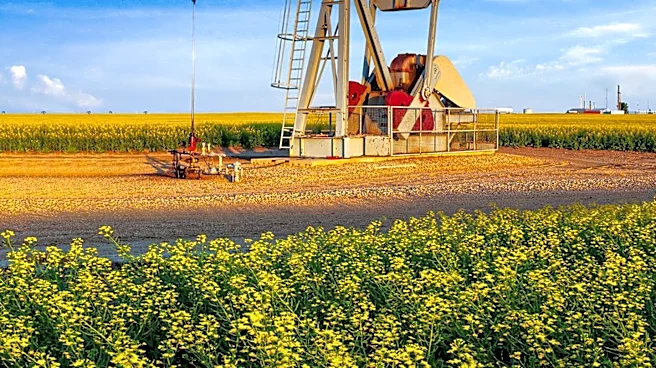
This proposal carries significant implications for landowners, particularly in the Western U.S., where nearly 58 million acres are designated as split-estate land. Under split-estate arrangements, surface landowners do not own the mineral rights beneath their property, and mineral rights are dominant, allowing companies to access surface property for extraction even if the landowner objects. The elimination of direct landowner notification and the drastic reduction in public comment periods could severely limit the ability of ranchers and other surface owners to influence or even be aware of drilling operations impacting their land. This could lead to increased environmental concerns, such as leaks from abandoned wells affecting cattle, and a diminished voice for local communities in decisions regarding resource extraction. Industry interests, however, view the proposal as a way to reduce 'red tape' and benefit smaller oil and gas companies, promoting economic growth and investment in public lands.
What's Next?
The public comment period for the BLM's proposed changes is scheduled to end on August 24. Following this, the BLM will review the submitted comments before making a final decision on the proposal. Major stakeholders, including ranching lobbies, environmental groups, and local government officials, are expected to continue advocating for their positions. For instance, Wyoming's influential ranching lobby opposes the changes, and several public figures have penned op-eds criticizing the proposal. If the changes are implemented, landowners in split-estate areas will need to find alternative methods to stay informed about potential drilling activities on or near their properties, and the broader public will have a significantly reduced timeframe to voice concerns about new leasing proposals. The outcome will likely shape the future of mineral extraction and land management in the Western U.S.
Beyond the Headlines
The proposed changes by the BLM highlight a deeper, ongoing tension between property rights, resource extraction, and environmental stewardship in the U.S., particularly in the West. The concept of 'split estate,' a relic of early 20th-century policy aimed at promoting westward expansion and mineral extraction, continues to create complex legal and ethical dilemmas. This proposal could exacerbate existing power imbalances, potentially prioritizing industrial development over the rights and concerns of individual landowners and local communities. It also raises questions about the role of government agencies in balancing economic incentives with public participation and environmental protection. The reduction in bond levels for abandoned wells, also part of the proposal, further underscores concerns about accountability for environmental cleanup, potentially shifting the burden of remediation to the public. This situation reflects a broader debate about the long-term sustainability of current resource management practices and the extent to which public input should shape these critical decisions.