
What's Happening?
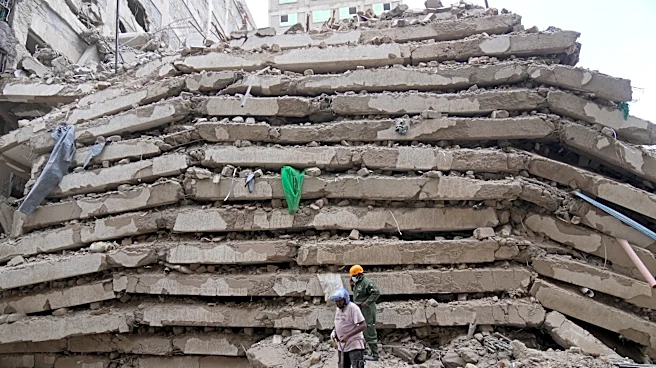
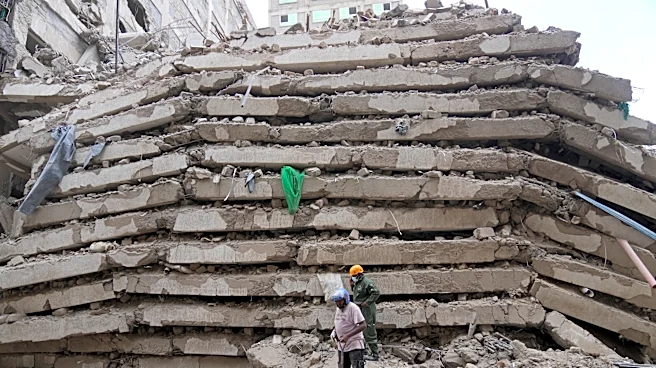
A three-story building under construction in Old Delhi's Chawri Bazar collapsed on Thursday, resulting in two fatalities and two injuries. The deceased were identified as Kishori (40) and Sanjeet (45),
both laborers at the construction site. Two others, Sahdev Chaudhary (25) and Firoz (37), are recovering from their injuries. The structure, located in Gali Sitara near the Chawri Bazar metro station, gave way around 9:45 AM. Officials confirmed the collapsed building was an unauthorized construction on a 50-square-meter plot, built without sanctioned plans and using non-engineered materials. Delhi Chief Minister Rekha Gupta has ordered an inquiry into the incident, an FIR against the contractor, and the immediate suspension of the junior and assistant engineers involved. Joint rescue operations are being conducted by Delhi Police, the National Disaster Response Force (NDRF), Delhi Fire Services, and the Municipal Corporation of Delhi (MCD) to search for additional trapped individuals. Police have registered an FIR for culpable homicide against the building owners and contractors.
Why It's Important?
This incident highlights critical issues within urban development and regulatory oversight in densely populated areas. The unauthorized construction and use of substandard materials directly contributed to the tragic loss of life, underscoring the dangers posed by circumventing building codes and safety regulations. The immediate suspension of civic engineers and the order for an FIR against the contractor and owners signal a governmental acknowledgment of accountability failures. This event could prompt stricter enforcement of construction laws and increased scrutiny of building permits, particularly in older, congested parts of cities. For residents and workers in such areas, it raises concerns about their safety and the integrity of surrounding structures. The incident also puts pressure on municipal bodies to enhance their monitoring mechanisms and respond more effectively to unauthorized construction activities, potentially leading to policy reforms aimed at preventing similar tragedies.
What's Next?
Following Chief Minister Rekha Gupta's directives, the MCD has suspended the junior engineer and assistant engineer involved, citing prima facie serious negligence. Police efforts are ongoing to apprehend the building owners and contractors against whom an FIR for culpable homicide has been registered. The inquiry ordered by the Chief Minister will likely delve into the specifics of how the unauthorized construction proceeded without intervention and identify systemic weaknesses in regulatory oversight. This could lead to a review of existing building codes and enforcement protocols in Delhi. Additionally, there will be continued focus on rescue operations to ensure no more individuals are trapped under the debris. The affected families are expected to receive ex-gratia assistance, and the injured will continue to receive medical treatment. The outcome of the investigation could result in more stringent penalties for those involved in illegal construction and a push for greater transparency in urban development projects.
Beyond the Headlines
The collapse of the building in Chawri Bazar extends beyond a singular incident, pointing to broader challenges in urban governance and the informal construction sector. The use of 'non-engineered materials' and the absence of sanctioned plans suggest a pervasive issue of developers cutting corners, often at the expense of public safety. This situation can be exacerbated by corruption or lax oversight, creating an environment where dangerous structures proliferate. The incident may trigger a public discourse on the ethical responsibilities of builders, engineers, and government officials in ensuring structural integrity and safety. It also brings to light the vulnerability of daily wage laborers, who are often the primary victims in such collapses due to their presence on unsafe construction sites. Long-term implications could include a re-evaluation of urban planning strategies, particularly in historical and densely populated zones, to balance development needs with heritage preservation and safety standards. The event serves as a stark reminder of the human cost when regulatory frameworks fail to protect citizens.