






What's Happening?
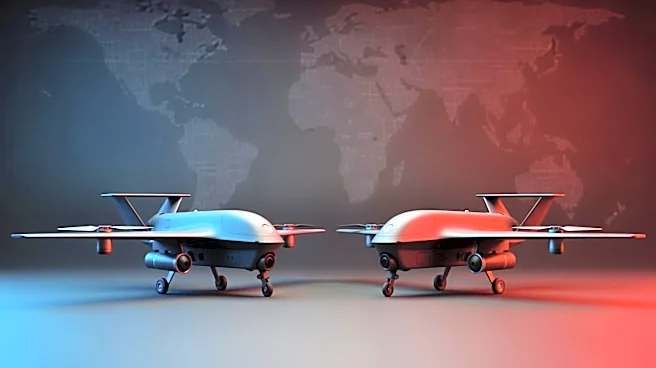
Morocco and Algeria are engaged in a significant arms race, with both countries increasing their military expenditures substantially. Morocco has expanded its arsenal with U.S.-supplied military equipment, including F-16 fighter jets and Apache helicopters,
as part of a Western-backed modernization program. This expansion is linked to Morocco's defense ties with Israel and its status as a major non-NATO U.S. ally. Meanwhile, Algeria has received Russian Su-34M strike fighters, becoming the first foreign operator of this aircraft. Algeria's military spending, the highest in Africa, is driven by its oil and gas wealth, allowing it to sustain a large military budget. The arms race is fueled by regional tensions, including the Western Sahara dispute and the aftermath of NATO's intervention in Libya.
Why It's Important?
The arms race between Morocco and Algeria highlights the strategic interests of global powers like the U.S. and Russia in North Africa. The U.S. supports Morocco's military modernization, strengthening its influence in the region and bolstering ties with a key ally. Conversely, Russia's supply of advanced aircraft to Algeria underscores its role as a major arms supplier and its strategic interests in maintaining influence in Africa. This military buildup could escalate regional tensions, impacting stability in North Africa and potentially affecting U.S. and European interests in the region. The situation also reflects broader geopolitical dynamics, with the U.S. and Russia vying for influence through military support.
What's Next?
The continuation of this arms race may lead to further military acquisitions by both Morocco and Algeria, potentially involving more advanced weaponry. The U.S. and Russia are likely to continue their support, with potential implications for regional security and diplomatic relations. Observers will be watching for any shifts in alliances or changes in military strategies that could alter the balance of power in North Africa. Additionally, the international community may need to address the potential for increased tensions and the risk of conflict in the region.