






What's Happening?
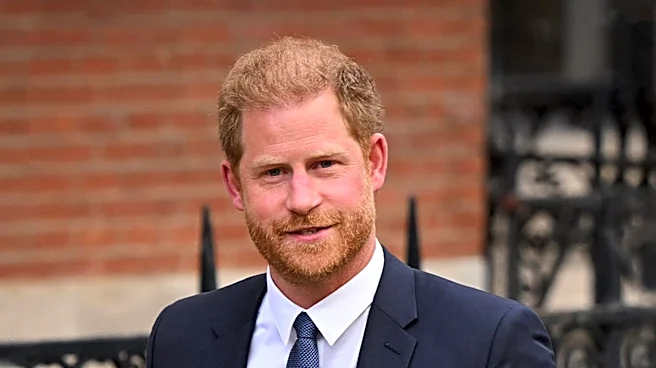
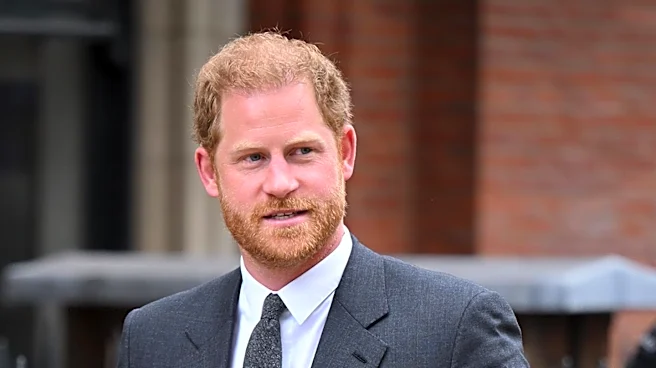
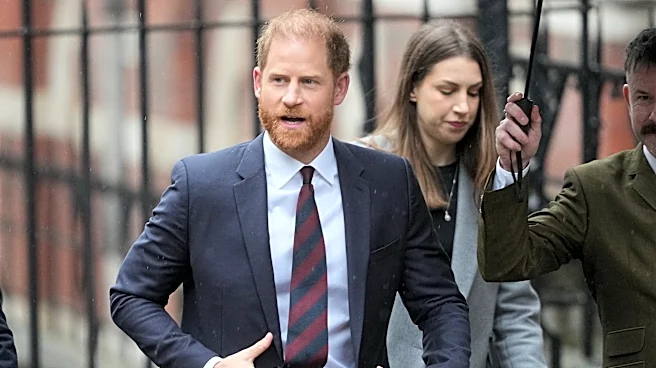
Journalist Charlotte Griffiths has publicly discussed her past interactions with Prince Harry following the exposure of their private exchanges during his recent legal battle against Associated Newspapers Ltd (ANL). Prince Harry's privacy case against ANL,
which publishes the Daily Mail and The Mail on Sunday, was dismissed by Justice Nicklin, marking a significant setback in his ongoing campaign against certain British media outlets. The case brought to light text messages between Griffiths and Harry, revealing a friendship that began in 2011 during a social event in Hampshire. Griffiths detailed their interactions, including a notable incident where Harry placed a pill on her tongue, which she discreetly removed. She also challenged Harry's court testimony, asserting that their relationship was more extensive than he claimed. The journalist's revelations come as part of a broader narrative about Harry's changing public persona.
Why It's Important?
This development is significant as it highlights the ongoing tensions between Prince Harry and the British media, a relationship that has been fraught with legal battles and public scrutiny. The exposure of private communications underscores the challenges public figures face in maintaining privacy, especially when involved in high-profile legal disputes. For the media industry, this case exemplifies the delicate balance between press freedom and individual privacy rights. The outcome of Harry's legal actions could influence future cases involving privacy and media conduct, potentially affecting how media organizations operate and report on public figures. Additionally, the revelations about Harry's past behavior and friendships may impact public perception of him, particularly in the context of his current public image and advocacy for privacy.
What's Next?
Following the dismissal of his case, Prince Harry may need to reassess his legal strategy and public relations approach regarding his ongoing disputes with the media. The outcome could prompt him to either pursue further legal action or seek alternative methods to address his grievances with the press. For the media, this case may lead to increased scrutiny of their practices and potentially inspire discussions about ethical journalism and privacy rights. Stakeholders, including media organizations and public figures, will likely monitor the implications of this case closely, as it may set precedents for future legal battles involving privacy and media conduct.
Beyond the Headlines
The case also raises broader questions about the ethical responsibilities of journalists and the media in handling private information. It highlights the potential consequences of legal actions that inadvertently bring private matters into the public domain. The situation reflects the complex dynamics between public figures and the media, where past interactions can resurface and impact current narratives. This case may also contribute to ongoing debates about the role of the media in society and the boundaries of privacy for individuals in the public eye.