







What's Happening?
The Social Security Administration (SSA) announced that babies born in the United States between July 2 and December 31, 2026, will receive special edition Social Security cards featuring the 'Freedom 250' logo. This initiative is part of the celebrations
for the nation's 250th anniversary, as announced by the Trump administration. The commemorative cards are issued automatically as part of the normal birth registration process and hold the same legal status as standard Social Security cards. The 'Freedom 250' initiative, established by the Trump administration, is distinct from America250, a congressional group formed a decade ago to plan the semiquincentennial celebrations. Critics argue that 'Freedom 250' introduces partisanship into what should be non-political celebrations, although the group claims to be nonpartisan and inclusive.
Why It's Important?
This initiative highlights the Trump administration's efforts to leave a lasting legacy on national celebrations and government documentation. By issuing these commemorative Social Security cards, the administration aims to strengthen the symbolic connection between new generations and the nation's historical milestones. The move could influence public perception of the administration's role in national heritage and identity. Additionally, it underscores the ongoing debate about the intersection of politics and national celebrations, with some viewing the initiative as a partisan gesture. The broader impact may include increased public engagement with the semiquincentennial events and a heightened sense of national pride among citizens.
What's Next?
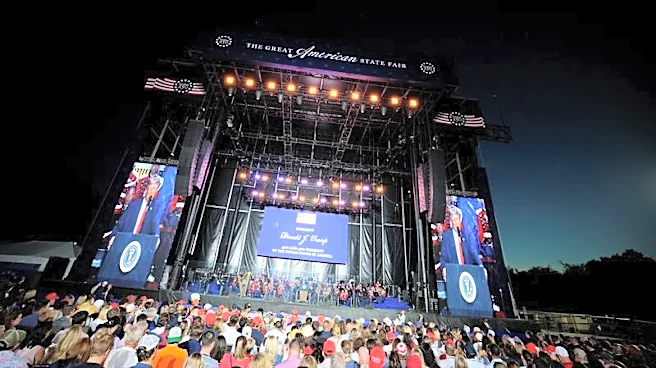
As the nation approaches its 250th anniversary, various events and celebrations are planned, including the Great American State Fair and the Salute to America fireworks. These events, organized by 'Freedom 250', aim to foster national unity and pride. The SSA's issuance of commemorative cards may prompt discussions about the role of government in cultural celebrations and the potential for future administrations to implement similar initiatives. Stakeholders, including political leaders and civil society groups, may respond with varying degrees of support or criticism, potentially influencing future policy decisions regarding national commemorations.