



What's Happening?
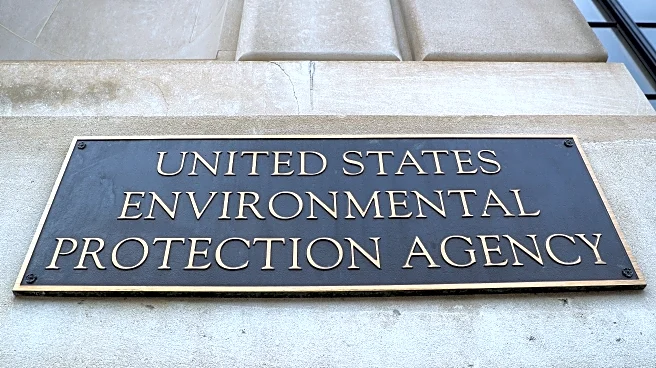
The U.S. Environmental Protection Agency (EPA) has announced the discovery of cybersecurity vulnerabilities in 277 community water systems across the country. These vulnerabilities could potentially be exploited by threat actors, posing a risk to public
drinking water systems. The EPA is taking steps to strengthen defenses against cyberattacks targeting these critical infrastructures. This announcement is part of a broader effort to enhance the security of the nation's water systems, which are considered vital to public health and safety.
Why It's Important?
The identification of these vulnerabilities is significant as it highlights the ongoing challenges in securing critical infrastructure against cyber threats. Water systems are essential for public health, and any disruption could have severe consequences for communities. The EPA's actions to address these vulnerabilities are crucial in preventing potential attacks that could lead to water contamination or service disruptions. This development underscores the need for robust cybersecurity measures in protecting essential services and the importance of federal oversight in safeguarding public resources.
What's Next?
The EPA is expected to implement new security measures to mitigate the identified vulnerabilities. This may involve collaboration with other federal agencies, state governments, and private sector partners to enhance the cybersecurity posture of water systems. Additionally, there may be increased funding and resources allocated to support these efforts. Stakeholders, including local governments and water utility operators, will likely be involved in developing and executing these security enhancements to ensure the resilience of water infrastructure against cyber threats.