


What's Happening?
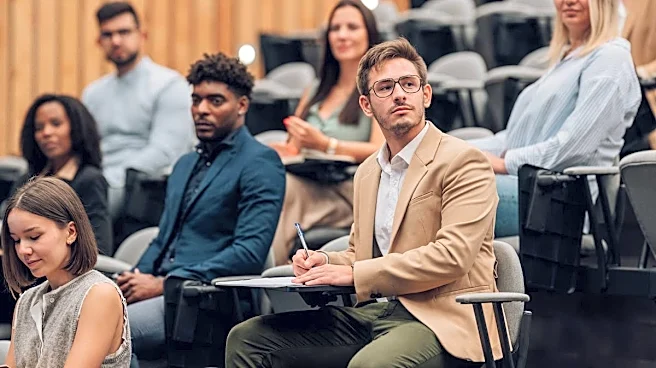
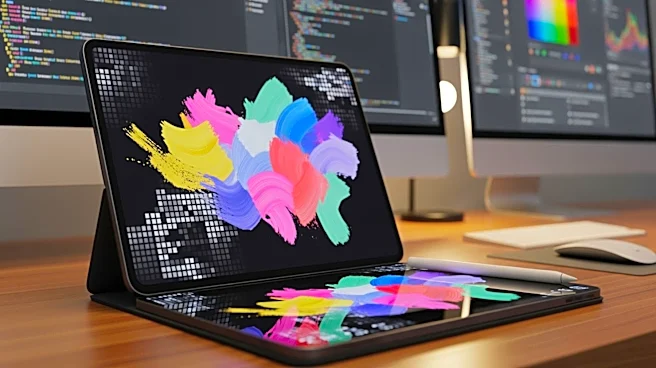
Students graduating from Louisiana State University Shreveport (LSUS) in digital arts are facing a new challenge in the job market: competition from artificial intelligence (AI). AI has increasingly been used to produce low-cost graphics, which could
potentially reduce job opportunities for human artists. Instructors at LSUS, such as Jason Mackowiak and Allen Garcie, are encouraging students to view AI as a tool rather than a threat, similar to widely used software like Photoshop. Despite some students' resistance to AI, the faculty emphasizes the importance of adapting to its presence in the industry. At a recent art showcase, students like Lisa Marshall and Katelyn Davis expressed their views on AI, acknowledging its potential while highlighting the irreplaceable value of human creativity and understanding of client needs.
Why It's Important?
The integration of AI into the digital arts industry represents a significant shift in how creative work is produced and valued. For students entering the workforce, this means adapting to a landscape where AI can perform tasks traditionally done by humans, potentially at a lower cost. This shift could lead to a reevaluation of the skills and roles that are most valuable in the industry. While AI can generate graphics quickly and cheaply, human artists bring unique creativity and the ability to understand and meet specific client needs, which AI cannot replicate. The situation underscores the need for educational institutions to prepare students for a future where AI is a prevalent tool, ensuring they can leverage it to enhance their work rather than be replaced by it.
What's Next?
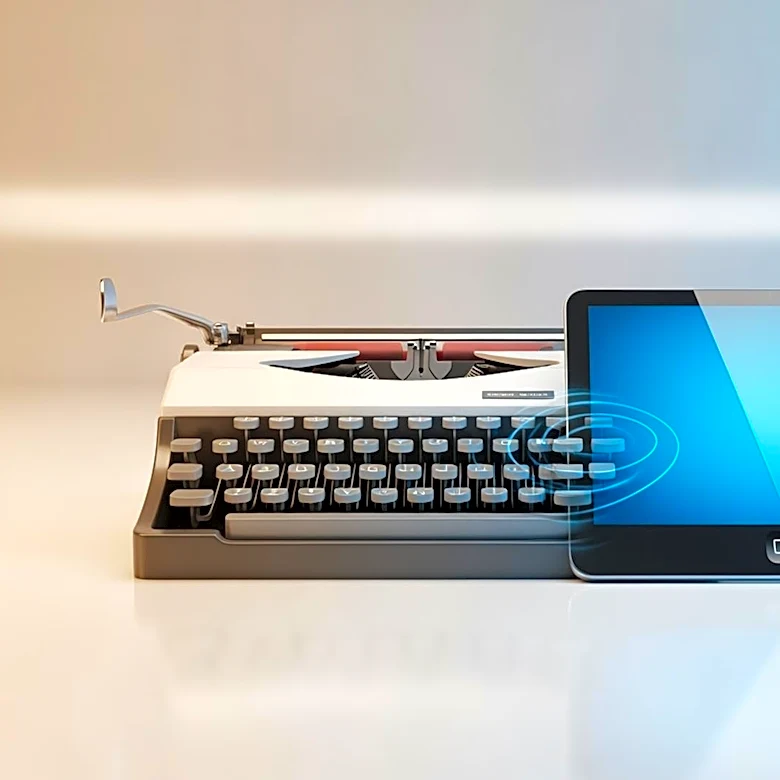
As AI continues to evolve, its role in the digital arts industry is likely to expand. Educational institutions like LSUS may need to further integrate AI into their curricula, teaching students not only how to use AI tools but also how to differentiate their human creativity from AI-generated content. Companies may increasingly seek artists who can effectively combine AI with traditional skills to produce innovative and effective designs. The ongoing dialogue between educators, students, and industry professionals will be crucial in shaping how AI is utilized in the arts and ensuring that human creativity remains a central component of the industry.
Beyond the Headlines
The rise of AI in the digital arts raises ethical and cultural questions about the value of human creativity and the potential for AI to homogenize artistic expression. As AI-generated content becomes more prevalent, there may be a cultural pushback favoring human-made art, which is seen as more authentic and emotionally resonant. Additionally, the reliance on AI could lead to a loss of traditional artistic skills, prompting discussions about the preservation of these skills in an increasingly digital world. The balance between embracing technological advancements and maintaining the integrity of human creativity will be a key consideration for the future of the arts.