





What's Happening?
The Overland Park City Council has approved 'Playbook OP,' a comprehensive 10-year plan for the city's parks and recreation system. This approval occurred despite significant pushback from residents and some council members regarding the aquatic facilities
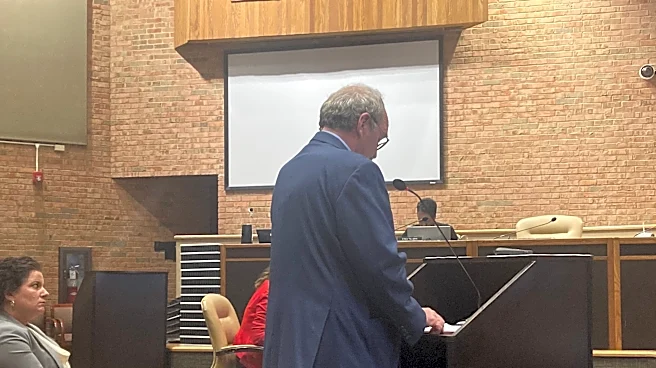
portion of the plan. The plan includes renovating or replacing existing regional pools like Young’s Pool and Tomahawk Ridge Aquatic Center, and building new water play features. However, it also entails closing Stonegate Pool at the end of its useful life and constructing a new water park in south Overland Park within the next decade. Council members Drew Mitrisin and Melissa Cheatham, representing Ward 2, voiced concerns that the plan disregards taxpayer preferences for more neighborhood pools, particularly in north Overland Park, and that it removes pool access for residents in that area. A city survey indicated that 67% of taxpayers preferred more neighborhood pools and supported renovating existing regional pools, developing two new neighborhood pools north of Interstate 435, and renovating Stonegate Pool. The plan passed on a show-of-hands vote, with three members opposed.
Why It's Important?
This decision by the Overland Park City Council highlights a significant disconnect between municipal planning and expressed resident preferences, particularly concerning public amenities like swimming pools. The shift from neighborhood pools to larger regional aquatic centers, as outlined in 'Playbook OP,' could alter community dynamics and access to recreational facilities. For residents in north Overland Park, the closure of existing pools without direct replacement means reduced accessibility to swimming lessons and recreational opportunities, potentially impacting public health and community engagement. The council's decision to proceed despite survey data favoring neighborhood pools raises questions about the efficacy of public input mechanisms in local governance. Furthermore, the financial implications of this plan, including a projected $248.1 million funding gap and ongoing debates about a new sales tax to cover costs, will directly affect taxpayers and the city's fiscal strategy for the next decade. The outcome could set a precedent for how future public infrastructure projects are prioritized and funded in Overland Park.
What's Next?
Following the approval of 'Playbook OP,' Overland Park residents can expect the implementation of the plan's various components over the next 10 years. This includes the eventual closure of Stonegate Pool and the development of a new water park in the southern part of the city. The debate surrounding the funding of this ambitious plan is ongoing, with the city council having postponed a decision on a new sales tax. Council members discussed potential sales tax rates ranging from an eighth of a cent to three-eighths of a cent, with city staff indicating that the highest rate would be necessary to fully implement the plan as written. A Committee of the Whole meeting is scheduled for October 5 to continue discussions on this matter. The outcome of these funding deliberations will determine the pace and scope of the 'Playbook OP' implementation and will likely involve further public engagement and potential voter referendums on any proposed sales tax increases.
Beyond the Headlines
The approval of 'Playbook OP' in Overland Park, despite resident opposition to its aquatic provisions, reflects a broader tension often seen in urban development: balancing long-term strategic planning with immediate community desires. The city's move towards larger, regional aquatic centers, while potentially offering more amenities and revenue, may inadvertently erode the social fabric of older neighborhoods where smaller, accessible pools served as vital community hubs. This shift could exacerbate existing disparities, as residents in newer, often more affluent, southern areas of the city may have access to HOA pools, while those in older northern areas lose public options. The situation also raises ethical questions about the weight given to public surveys and community input when final decisions are made by elected officials. The long-term implications could include a decline in community cohesion in affected neighborhoods, potential impacts on property values, and a re-evaluation of how public recreational spaces are designed and funded to serve diverse populations within a growing city.