




What's Happening?
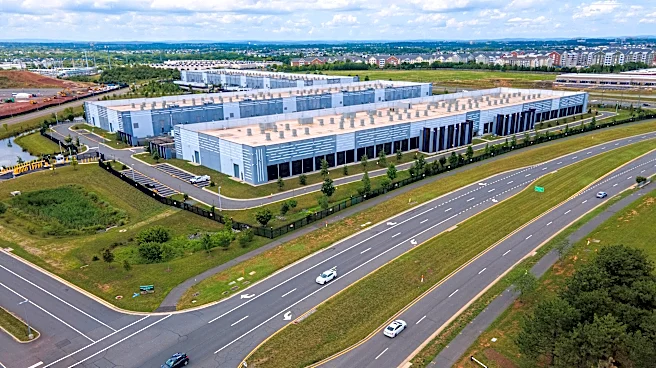
Voters in Peru, Maine, are set to decide on a 180-day moratorium on datacenter construction in November. This local initiative comes despite the absence of any current plans for a datacenter in the town, according to Cleanview, a website that tracks datacenter projects.
The proposed moratorium aims to provide the Select Board and Planning Board with sufficient time to assess the potential impacts of data processing facilities on local resources, including water usage, electrical grid capacity, noise levels, and environmental and governmental resources. The town's Select Board approved the moratorium for the ballot. This local action follows a statewide attempt earlier this year to implement a datacenter moratorium in Maine, which was ultimately vetoed by Governor Janet Mills in April. The Peru moratorium, if approved, would immediately halt not only new datacenter construction but also the processing of any related building applications or permits, with an exception for routine upgrades to existing telecom facilities. Additionally, Peru residents will vote on a new food sovereignty ordinance allowing small-scale local food sales without extensive statewide regulations.
Why It's Important?
This local referendum in Peru, Maine, highlights a growing tension between technological development and community concerns over resource strain and environmental impact. The town's proactive measure to consider a moratorium, even without an immediate datacenter proposal, reflects a broader trend of communities seeking to control the pace and nature of industrial growth within their borders. Governor Mills' earlier veto of a statewide moratorium indicates a differing perspective at the state level, potentially prioritizing economic development or technological advancement. The local initiative in Peru underscores the importance of local governance in addressing specific community needs and anxieties, particularly regarding infrastructure-heavy industries like datacenters. The outcome of this vote could set a precedent for how other Maine towns approach potential datacenter developments, influencing future land use policies and environmental regulations at a municipal level. The simultaneous vote on a food sovereignty ordinance further emphasizes a local desire for greater autonomy and control over community resources and economic activities.
What's Next?
Peru residents will cast their votes on the datacenter moratorium in November. If approved, the moratorium will take effect immediately, pausing all new datacenter development and related permitting processes for 180 days. During this period, the town's Select Board and Planning Board will conduct studies to understand the full implications of datacenters on local water, electricity, noise, and environmental resources. The findings from these studies will likely inform future permanent zoning ordinances or regulations concerning datacenter construction in Peru. The decision in Peru could also influence other towns in Maine that may be considering similar measures, especially given the state legislature's earlier attempt at a statewide moratorium. The outcome will be closely watched by both technology developers and environmental advocates, as it will indicate the community's stance on balancing economic opportunities with environmental and resource protection. The food sovereignty ordinance will also be decided, potentially empowering local food producers.
Beyond the Headlines
The Peru datacenter moratorium vote reflects a deeper societal debate about the balance between technological progress and local environmental and social sustainability. Datacenters, while crucial for the digital economy, are significant consumers of electricity and water, and can generate considerable noise, leading to concerns about their ecological footprint and impact on local quality of life. The local community's decision to preemptively consider a moratorium, even without an active proposal, suggests a shift towards more proactive community planning and a desire to assert local control over development that could have far-reaching consequences. This local action, following a state-level veto, also highlights potential friction between state and local governance regarding economic development and environmental protection. The outcome in Peru could contribute to a broader discourse on how communities can effectively manage the growth of energy-intensive industries while safeguarding their resources and character, potentially influencing policy discussions on sustainable development and local autonomy across the U.S.