



What's Happening?
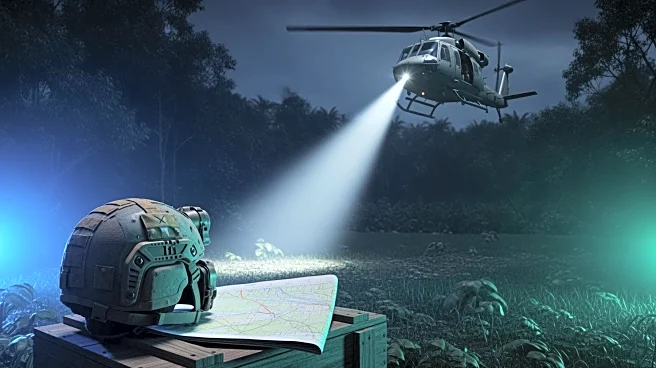
Venezuelan President Nicolás Maduro was captured in a U.S. military operation, a move justified by the Trump administration under existing narcoterrorism indictments against him. Maduro has been under U.S. indictment since 2020 for narcoterrorism conspiracy
and other offenses, with a $15 million reward for information leading to his arrest. The operation is framed as a law enforcement action rather than an act of war, as the U.S. and many allies do not recognize Maduro as Venezuela's legitimate leader. This action follows a pattern of U.S. presidents using military force without prior congressional authorization, citing the War Powers Resolution. The operation concluded quickly and reportedly without large-scale casualties, but it has sparked debate over its legality and implications for international law.
Why It's Important?
The capture of Maduro is significant as it highlights the U.S. government's stance on international law enforcement and its approach to foreign leaders accused of criminal activities. This operation could impact U.S.-Venezuela relations and influence international perceptions of U.S. military interventions. It underscores the ongoing debate over the use of presidential war powers without congressional approval, a practice that has been employed by previous administrations. The operation may also affect U.S. relations with countries allied with Venezuela, such as China, Russia, and Iran, which have provided support to Maduro's regime. The legal and diplomatic ramifications of this action could have long-term effects on U.S. foreign policy and its role in global counterterrorism efforts.
What's Next?
The legal justification for Maduro's capture will likely be tested in U.S. courts and international forums. The Trump administration's argument that the operation was a law enforcement action rather than a military intervention will be scrutinized. The U.S. may face diplomatic challenges from countries that view the operation as a violation of sovereignty. Additionally, the situation could lead to increased tensions with Venezuela's allies. Domestically, the operation may prompt discussions in Congress about the limits of presidential war powers and the need for legislative oversight in military actions. The outcome of these debates could influence future U.S. military and foreign policy decisions.
Beyond the Headlines
The operation against Maduro raises questions about the ethical implications of using military force to capture foreign leaders. It reflects a broader trend of blurring the lines between war and policing in international relations. The action may set a precedent for how the U.S. deals with other leaders accused of criminal activities, potentially leading to more aggressive foreign policy strategies. The capture also highlights the challenges of addressing human rights abuses and corruption in countries with authoritarian regimes. The international community's response to this operation could shape future efforts to hold leaders accountable for crimes against humanity.