


What's Happening?
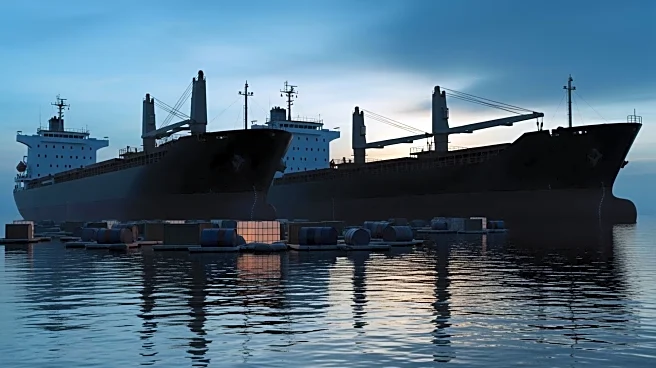
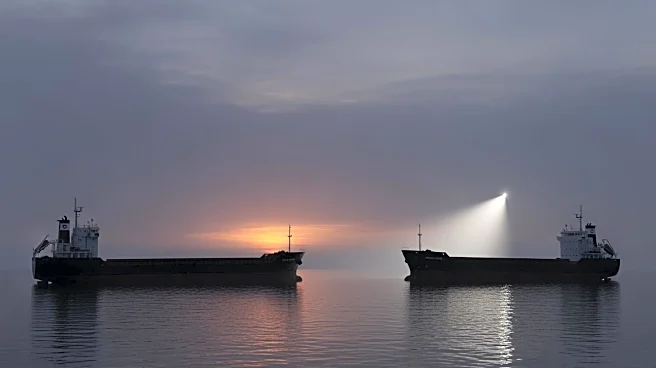
The Indian Embassy and Consulate in Iran have publicly expressed concerns over the lack of consular access to the crew of the tanker Valiant Roar, which was seized by Iranian authorities on allegations of fuel smuggling. The vessel, reportedly carrying
16 Indian nationals, one Sri Lankan, and one Bangladeshi, was detained in mid-December. Iran claims the tanker was smuggling six million liters of diesel fuel and lacked valid maritime travel documents. The situation has been further complicated by Iran's confiscation of the crew's phones and electronics, preventing them from contacting their families. The Indian authorities have requested access to the crew and urged Iran to expedite judicial proceedings. Additionally, they have intervened with the Iranian Navy to ensure the crew receives necessary supplies.
Why It's Important?
This incident highlights the ongoing tensions in maritime operations in the Gulf region, particularly concerning fuel smuggling. The lack of consular access raises diplomatic concerns between India and Iran, potentially affecting bilateral relations. The situation underscores the vulnerability of international crews operating in politically sensitive areas, where legal and humanitarian issues can arise. The Indian government's involvement reflects its commitment to protecting its citizens abroad, while the broader implications may influence international maritime policies and security measures in the region.
What's Next?
India is likely to continue diplomatic efforts to secure access to the crew and ensure their welfare. The situation may prompt discussions on international maritime law and the rights of seafarers, potentially leading to increased scrutiny of Iran's maritime enforcement practices. The Indian government may also seek support from international bodies to resolve the issue. Meanwhile, the shipping company involved is expected to arrange legal representation for the crew and ensure the provision of essential supplies.